Aluminum Casement Window Engineering & Sourcing: Structural Integrity, Thermal Insulation, and Global B2B Customization
Comprehensive technical and market evaluation for commercial developers, general contractors, and structural engineers. Engineered by Guangdong Fenzo Door & Window Co., Ltd. for extreme wind loads, energy efficiency, and seamless architectural integration.

Guangdong Fenzo Door & Window Co., Ltd. Enterprise Advantage
Operating from Zhaoqing, Guangdong, Guangdong Fenzo Door & Window Co., Ltd. combines 17+ years of fenestration engineering expertise with automated extrusion processing and rigorous multi-stage quality control.
Engineered Fenestration for Modern Architecture
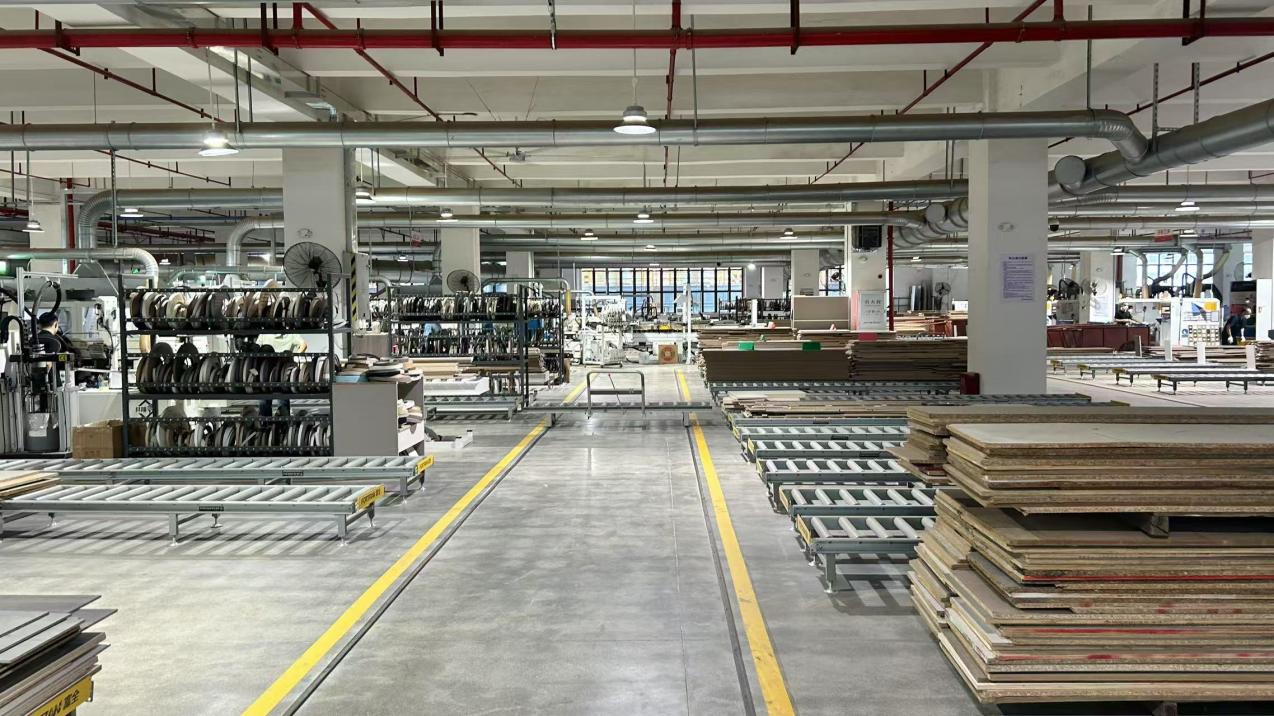
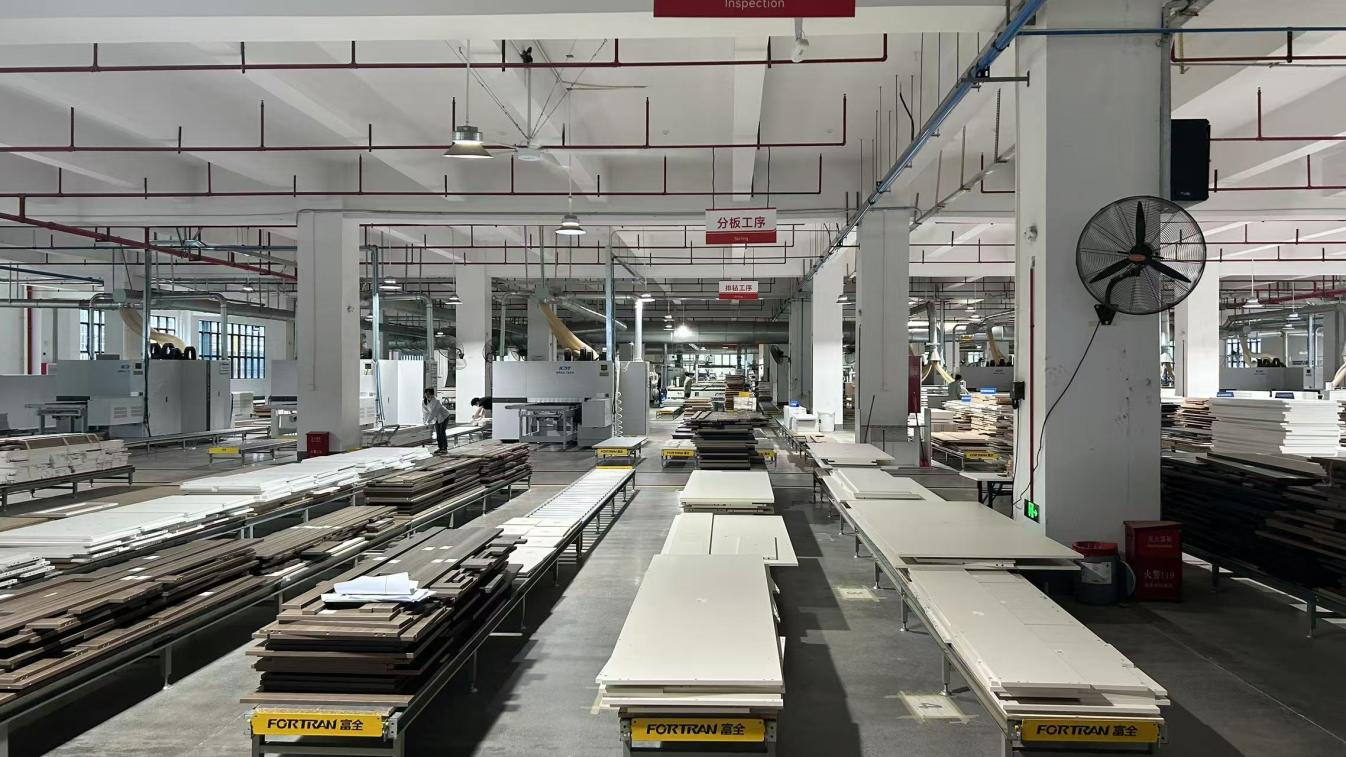
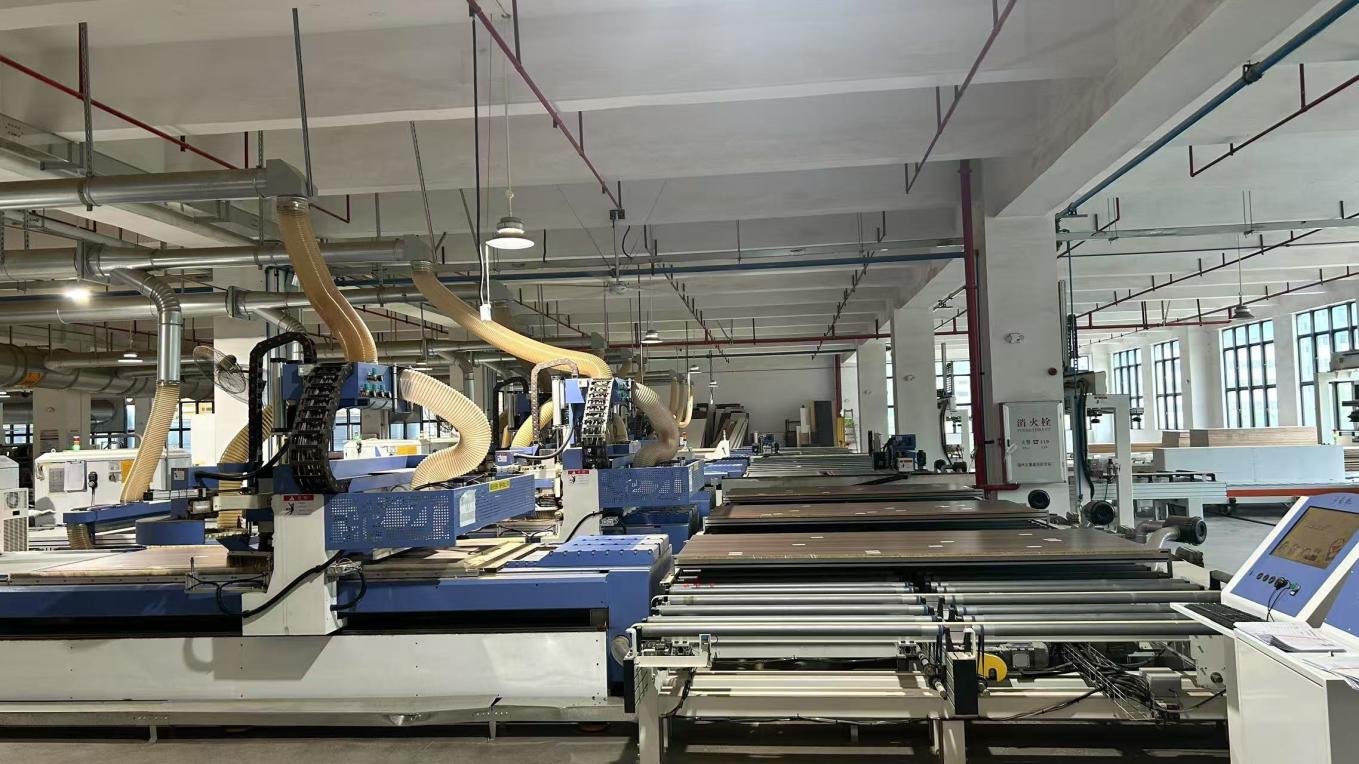
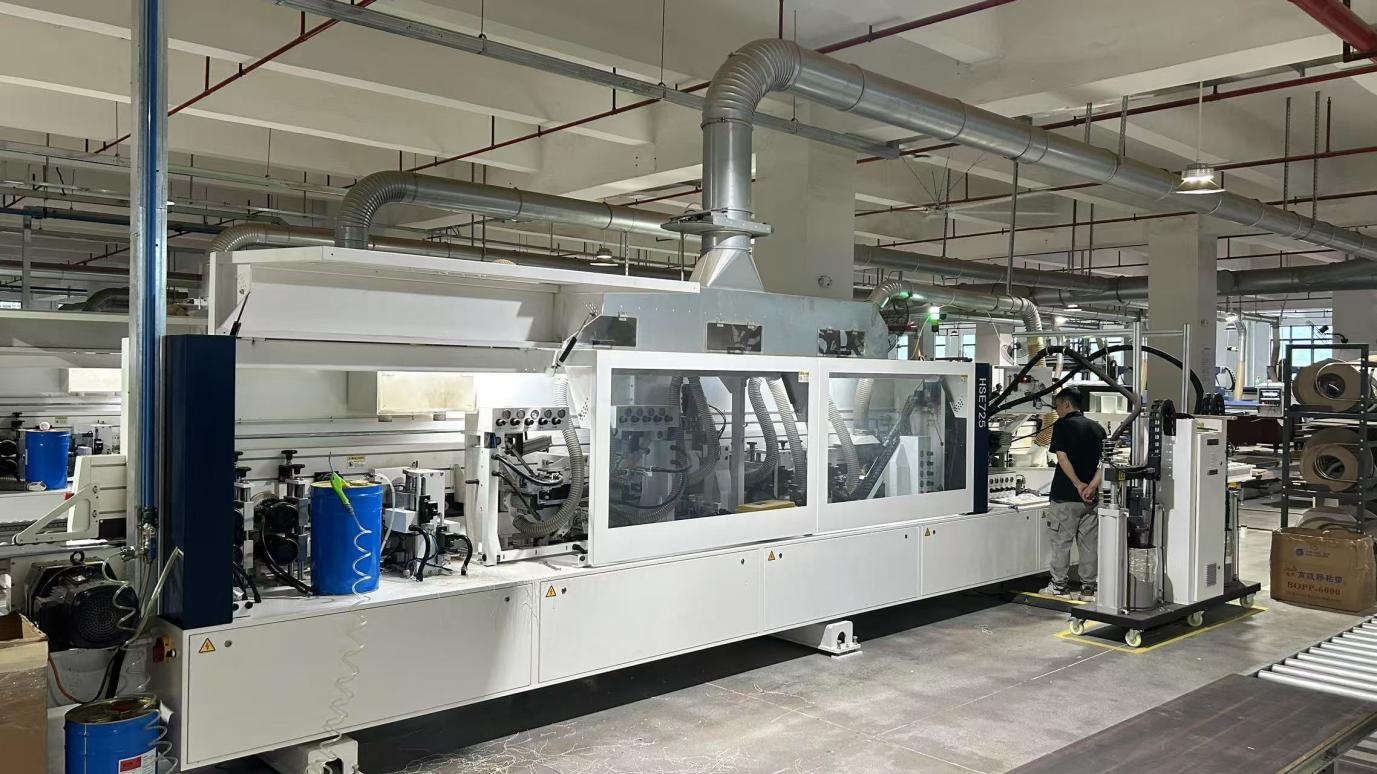
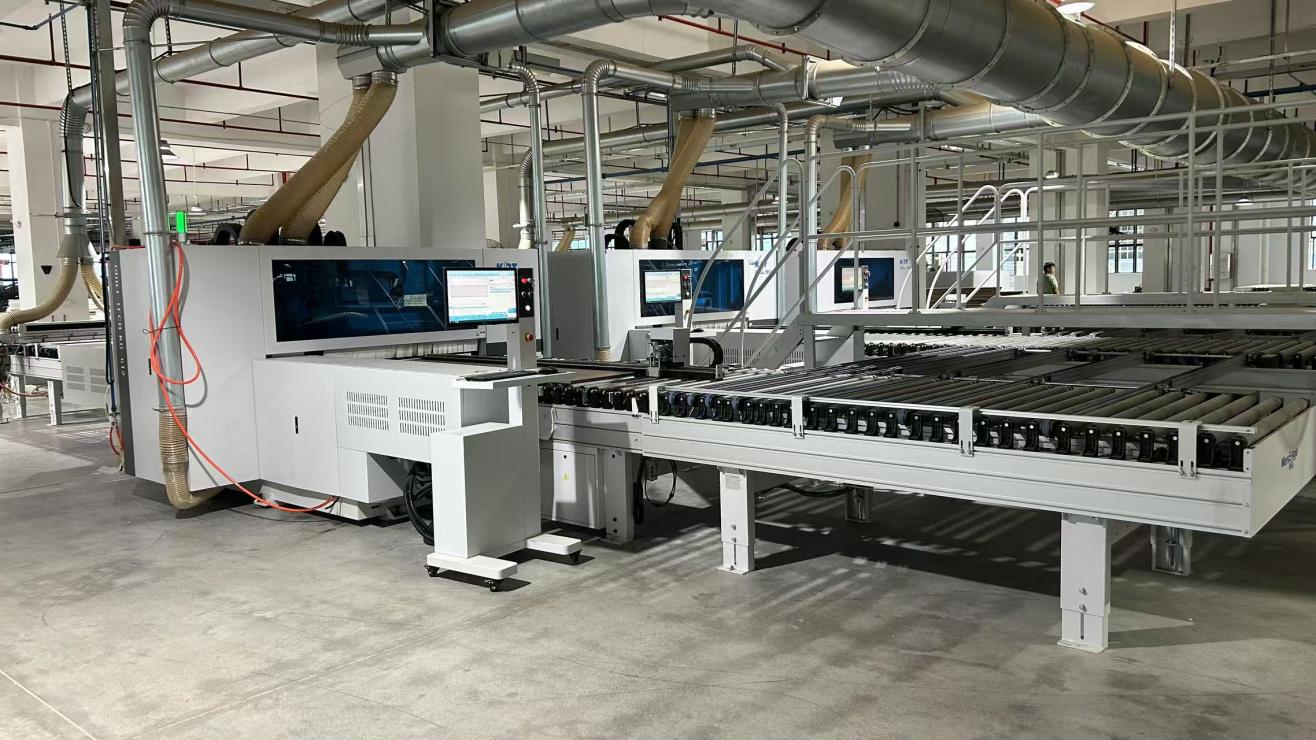
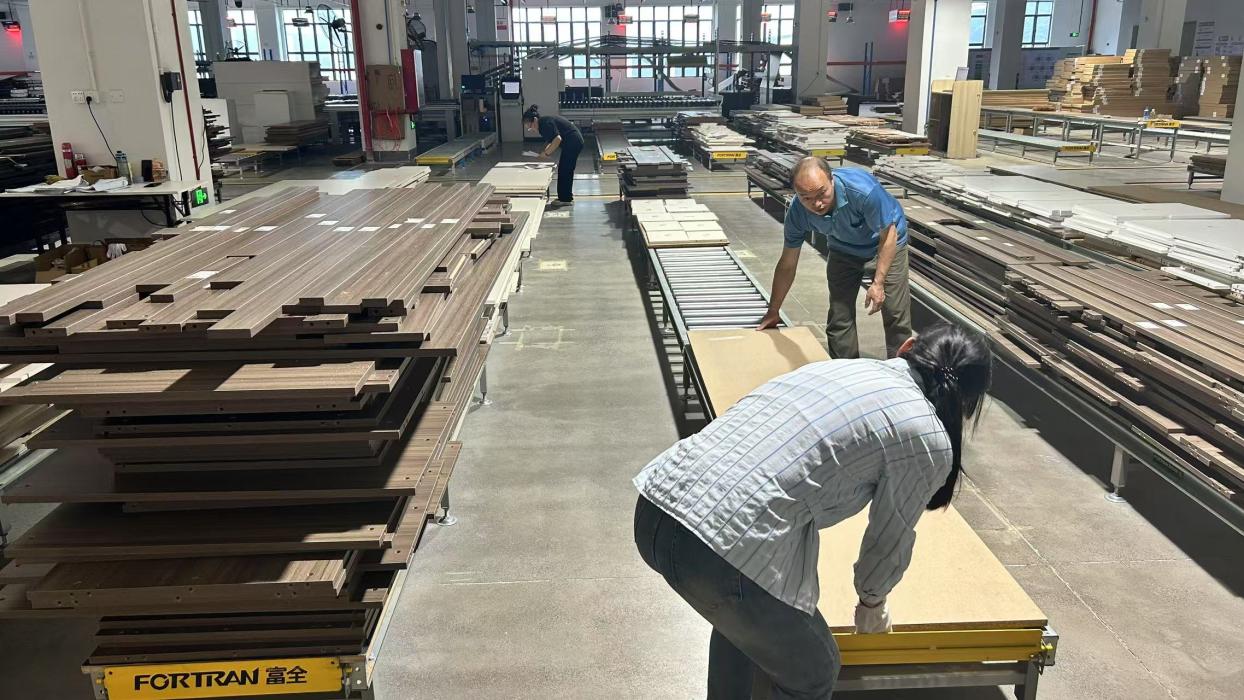
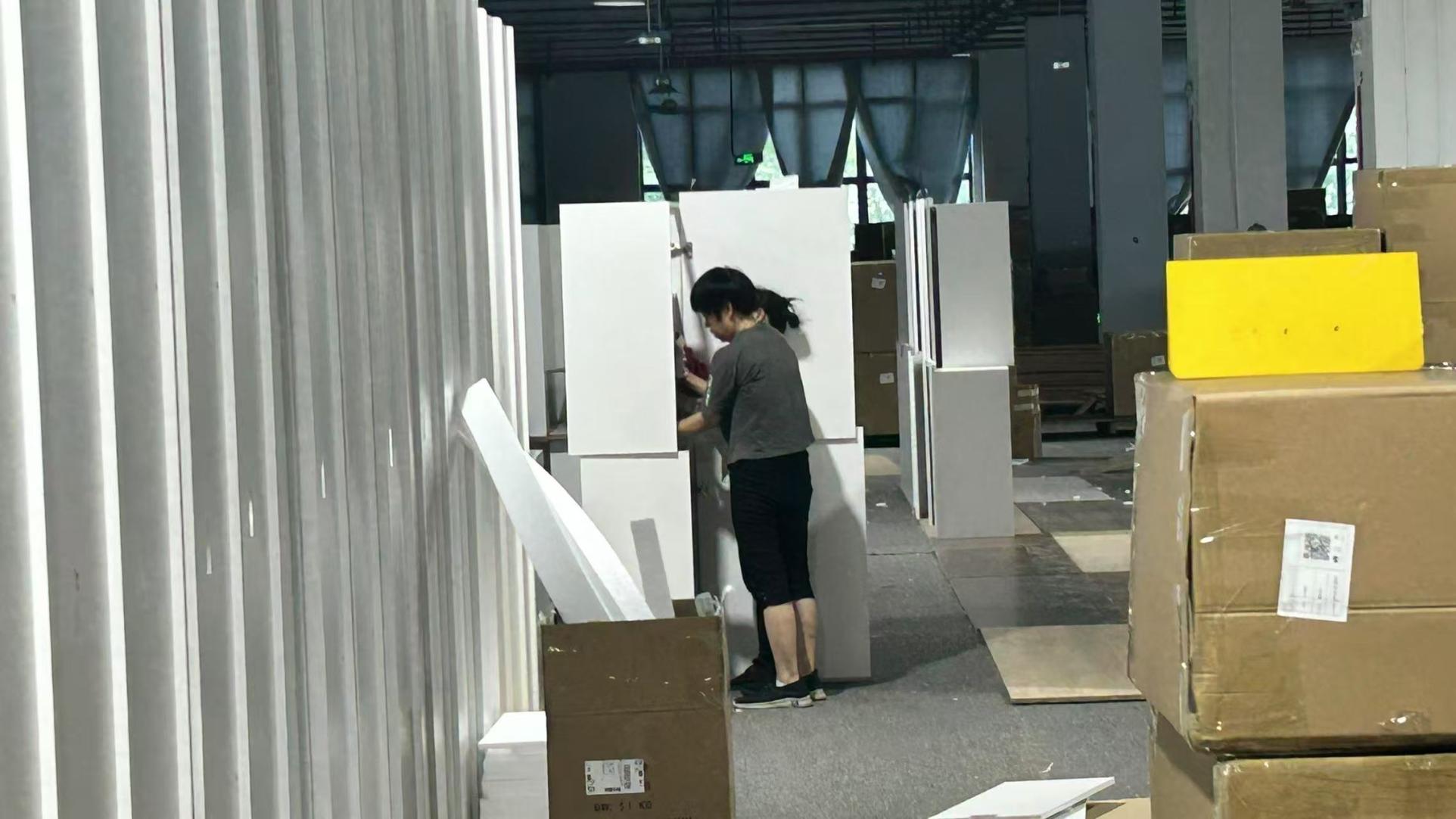
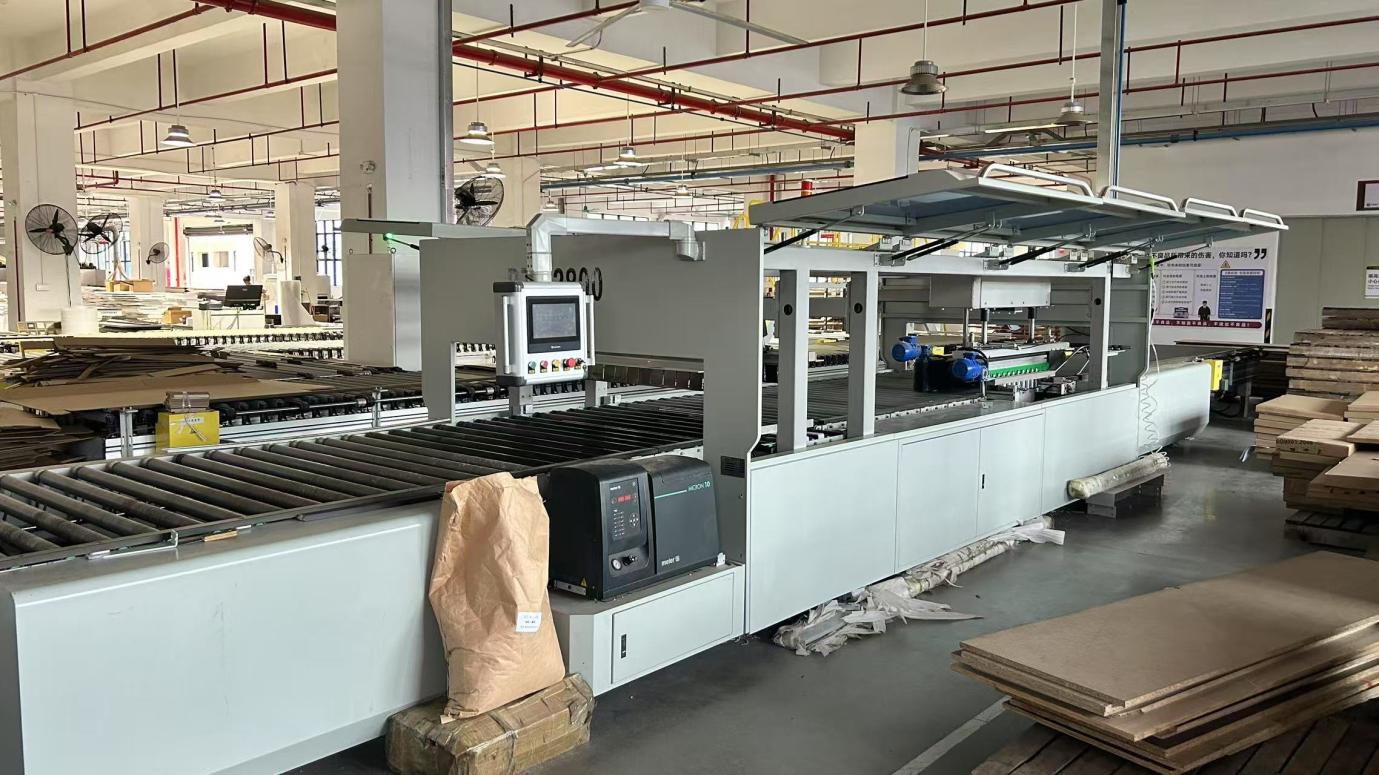
As a leading custom manufacturer, Guangdong Fenzo Door & Window Co., Ltd. produces structural Aluminum Casement Window systems, high-isolation sliding doors, commercial curtain walls, and interior joinery packages. Our 363 dedicated professionals operate high-precision CNC machining centers, automatic double-head cutting saws, and automated corner crimping lines to ensure sub-millimeter tolerances on every frame assembly.
Our operational framework has been independently audited on-site by SGS Group. We serve global architects, developers, multi-family construction managers, and hardware distributors, delivering complete window schedules tailored to international building codes including AS2047, NFRC, BS6375, and EN 12207 standards.
- 6063-T5 / 6060-T66 architectural grade aluminum extrusions
- Polyamide PA66 GF25 thermal break technology
- Continuous EPDM triple-gasket sealing systems
- German-engineered multi-point locking gearboxes
- Qualicoat powder coating & PVDF surface finishes
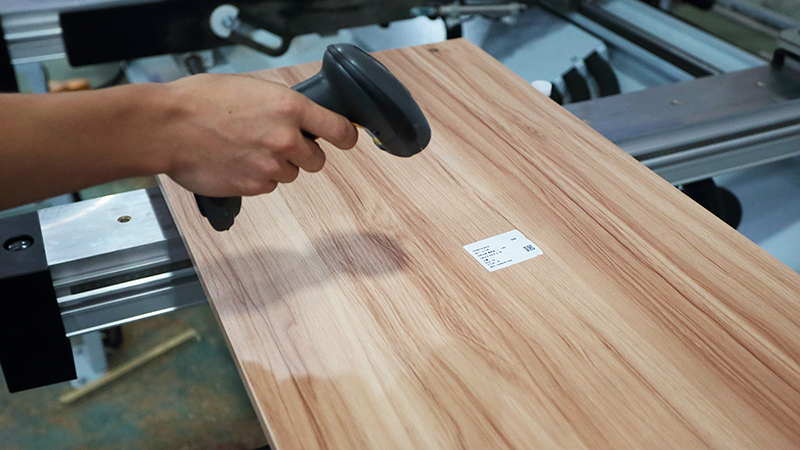
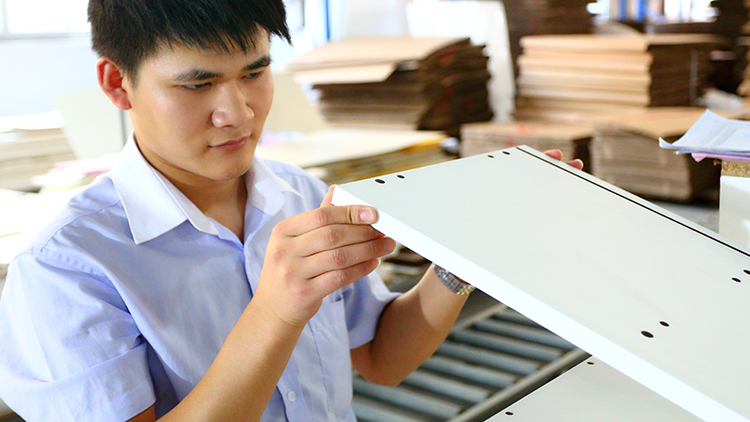
- On-site incoming raw material & pre-shipment QC testing

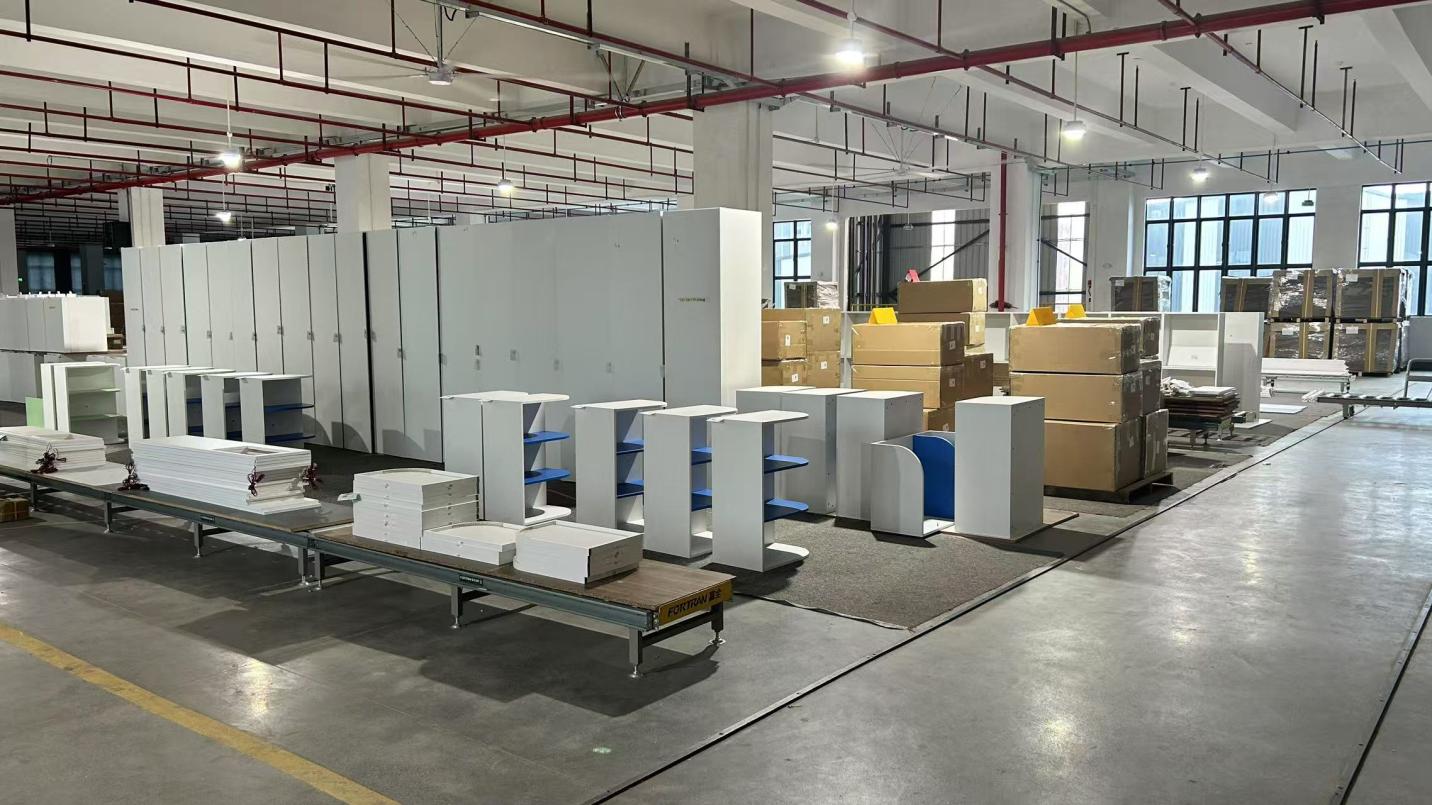
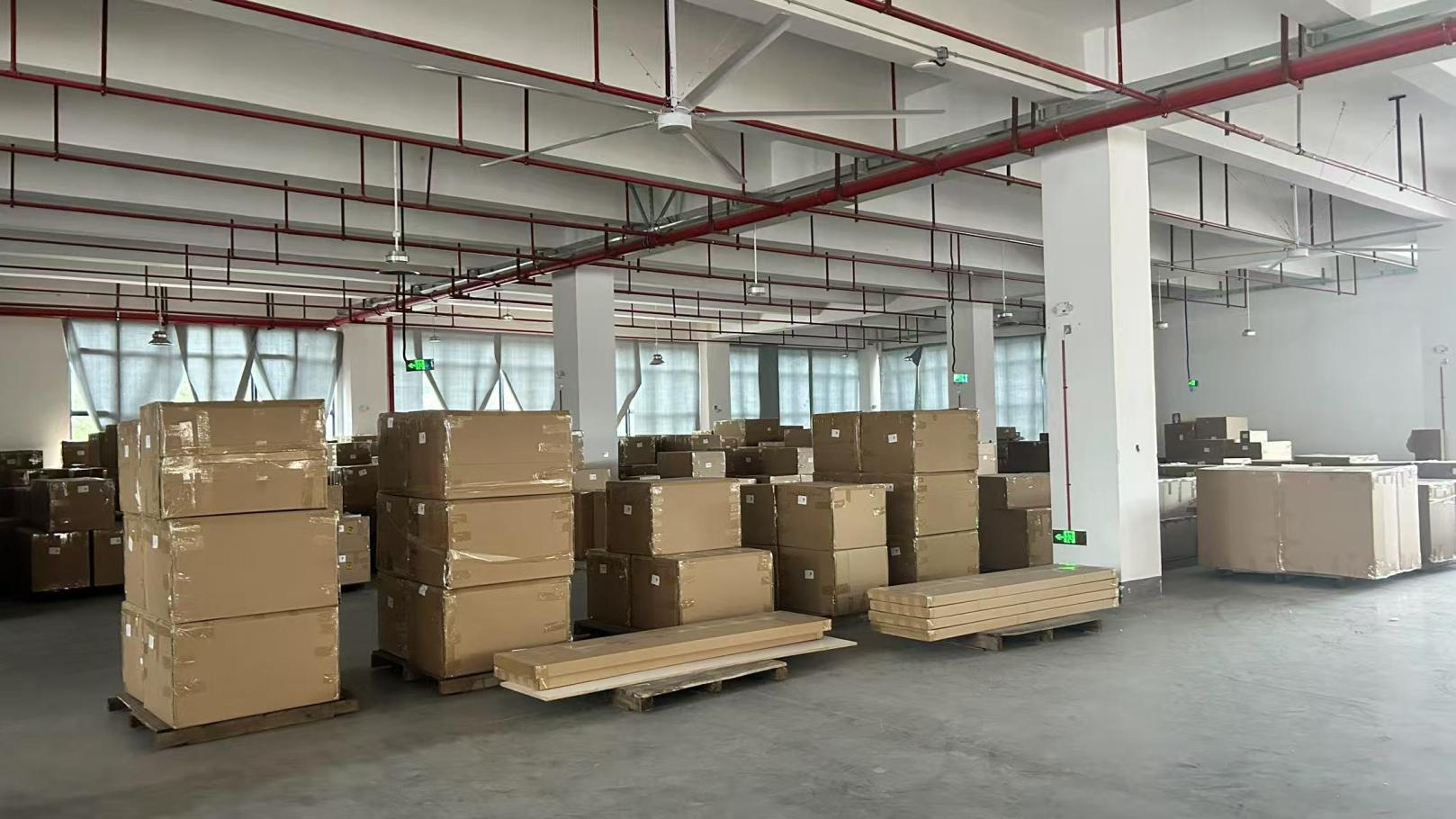
Production Capacity & Workshop Facilities

Architectural Aluminum Casement Window Series
Explore our flagship aluminum casement window configurations engineered for varied climate zones, structural requirements, and architectural aesthetics.
Series 65 Outswing Thermal Break Casement Window
Optimized for low-to-mid rise residential developments requiring high cost-efficiency and superior weather tightness. Features heavy-duty stainless steel friction stays and concealed drainage paths.
- Frame Depth: 65mm
- Wall Thickness: 1.4mm - 1.8mm
- Glass Option: 5mm+12A+5mm Double Tempered Low-E
- U-Factor: ≤ 1.8 W/m²K
Series 75 Tilt & Turn German-Style Casement Window
Dual-function interior opening window system delivering micro-ventilation in tilt mode and wide opening in turn mode. Equipped with concealed multi-point locking gear for maximum burgary resistance.
- Frame Depth: 75mm
- Wall Thickness: 1.8mm - 2.0mm
- Glass Option: 6mm+16A+6mm Triple Insulated Argon
- U-Factor: ≤ 1.4 W/m²K
Series 90 Coastal Hurricane Impact Casement Window
Heavy-duty structural fenestration engineered for high-velocity hurricane zones (HVHZ) and coastal high-rises. Incorporates reinforced structural steel mullions and laminated impact safety glass.
- Frame Depth: 90mm
- Wall Thickness: 2.0mm - 2.5mm
- Glass Option: 6mm Tempered + 1.52PVB + 6mm Laminated
- Wind Load: up to 5000 Pa (Design Pressure 100 PSF)
| Performance Metric | Non-Thermal Break Casement | Standard Thermal Break 65 Series | High-Efficiency 75/80 Series | Impact & Acoustic 90 Series |
|---|---|---|---|---|
| Profile Extrusion Alloy | 6063-T5 (1.4mm) | 6063-T5 (1.4mm - 1.6mm) | 6063-T5 / 6060-T66 (1.8mm) | 6063-T6 Structural (2.0mm+) |
| Thermal Barrier Material | None (Solid Aluminum) | PA66 GF25 (14.8mm strip) | PA66 GF25 (24mm - 34mm strip) | PA66 GF25 + Foam Fill Insulated |
| U-Value / U-Factor (W/m²K) | 3.8 - 4.5 W/m²K | 1.8 - 2.2 W/m²K | 1.2 - 1.5 W/m²K | 0.9 - 1.3 W/m²K |
| Acoustic Insulation (Rw/STC) | 28 dB - 30 dB | 35 dB - 38 dB | 40 dB - 42 dB | 45 dB - 48 dB |
| Water Tightness Class | Class 4 (300 Pa) | Class 7 (600 Pa) | Class 9 (900 Pa) | E1050 (1050 Pa) |
| Air Infiltration (m³/h·m²) | Level 3 (1.5 m³/h·m) | Level 7 (0.5 m³/h·m) | Level 8 (<0.1 m³/h·m) | Level 8 (<0.05 m³/h·m) |
| Hardware Configuration | Standard Single-Latch Handle | Multi-point Cam Locks | German Siegenia / Hoppe Tilt-Turn | Concealed Heavy Duty Friction Hinges |
Global B2B Sourcing & Procurement Trends for Aluminum Casement Windows
As international energy regulations tighten and modern architectural design evolves, B2B window procurement is undergoing four fundamental shifts that global buyers must navigate.
1. Stringent Decarbonization & Low U-Value Mandatory Standards
Building energy codes across North America (IECC 2024), Europe (EPBD directives), and Australia (NCC Section J) now mandate significantly lower window thermal transmittance values. International developers no longer treat thermal breaks as optional add-ons; they are mandatory core specifications. Importers are shifting toward PA66 GF25 polyamide thermal barriers paired with multi-cavity insulation inserts and low-emissivity (Low-E) double or triple glazing filled with 90%+ Argon gas.
2. Narrow Sightline & Concealed Hardware Aesthetics
Modern architectural design heavily emphasizes ultra-clean sightlines, maximal natural light transmission, and minimal visible framing metal. High-end residential and boutique commercial buyers increasingly specify flush sash designs, ultra-slim 50mm profile sightlines, and concealed 180-degree hinges. This trend requires higher structural rigidity in aluminum extrusions, driving the adoption of high-tensile 6060-T66 and 6063-T5 alloys engineered by Guangdong Fenzo Door & Window Co., Ltd.
3. Consolidated Whole-Building Envelope Sourcing
Procuring windows, exterior doors, curtain walls, and interior cabinetry from separate factories creates significant logistics friction, inconsistent color finishes, and divided warranty liabilities. Leading B2B buyers now prefer single-source manufacturing partners capable of coordinating the entire openings and interior joinery package under one quality inspection protocol and shipment schedule.
4. Prefabricated Dry-Glazing & Rapid Field Installation
With global construction labor costs escalating, project contractors prioritize window assemblies pre-glazed at the factory with high-grade EPDM gaskets rather than wet-sealed on site. Factory-controlled dry glazing ensures uniform sealing integrity, eliminates job-site sealant cure delays, and speeds up structural enclosure on high-rise building envelopes.
Technological Developments in Modern Aluminum Casement Windows
From advanced surface chemistry to smart motorization, structural fenestration technology has advanced rapidly to meet extreme environmental and functional demands.
Multi-Cavity Thermal Architecture
Modern casement window profiles utilize multi-chambered polyamide insulation strips lined with expanded polyolefin (PE) insulation foam. This design inhibits radiant, convective, and conductive heat transfer inside the aluminum chamber, achieving passive house performance thermal numbers.
Super-Durable Powder Coating & PVDF Finishes
Surface treatments have evolved beyond standard anodizing. Fluorocarbon (PVDF) 3-coat spraying and Qualicoat Class 2 / Class 3 thermosetting powder coatings withstand severe UV radiation, salt spray, and atmospheric pollution for over 25–30 years without chalking or fading.
Automated Smart Actuation & Sensor Integration
Commercial casement windows are increasingly retrofitted with hidden electric chain actuators integrated into building management systems (BMS). Rain sensors, wind sensors, and automated smoke evacuation systems trigger window opening/closing automatically for natural ventilation and fire safety.
Integrated Insect & Security Mesh Systems
Dual-track casement windows combine outswing glass sashes with inswing high-tensile 304 stainless steel security screens (0.8mm wire thickness). This provides burglar resistance, child protection, and insect barrier functionality without obstructing architectural views.
High-Acoustic Laminated Interlayers
To combat urban noise pollution, modern casement glazing leverages asymmetric glass panel thicknesses (e.g., 6mm + 8mm) combined with acoustic polyvinyl butyral (PVB) or SentryGlas (SGP) interlayers, reducing ambient sound transmission by up to 48 decibels.
Pressure-Equalized Drainage Channels
Advanced fenestration engineering incorporates hidden step-down drainage channels equipped with anti-backflow gravity caps. This prevents rain water ingress under gale-force pressure while maintaining seamless frame aesthetics.
Frequently Asked Questions by Global Buyers & Engineers
Detailed technical, commercial, and operational insights addressing real-world queries submitted across AI search platforms and procurement channels.
What is the core structural difference between outward-opening aluminum casement windows and tilt-and-turn casement systems?
Outward-opening aluminum casement windows swing horizontally outward using heavy-duty stainless steel friction stays or butt hinges. This design maximizes interior room space, accepts integrated fixed insect screens on the inside, and utilizes exterior wind pressure to press the sash tighter against the EPDM weather seals, delivering superior water tightness under severe storm conditions.
Tilt-and-turn aluminum casement windows, widely specified in European and high-rise commercial designs, utilize specialized perimeter gearbox hardware driven by a single control handle. Turning the handle 90 degrees allows the sash to tilt inward from the top for secure, rain-protected micro-ventilation. Turning the handle 180 degrees swings the sash fully inward on side hinges, permitting safe and effortless glass cleaning from inside the building without specialized exterior scaffolding.
How do thermal break aluminum casement windows achieve low U-values for green building energy codes?
Aluminum is a high-conductivity metal (k ≈ 160–200 W/m·K). Non-thermal break aluminum frames conduct heat rapidly, resulting in high energy loss and interior surface condensation. A thermal break casement window incorporates a structural, low-conductivity polyamide bar (PA66 reinforced with 25% glass fiber, k ≈ 0.3 W/m·K) mechanically crimped between the inner and outer aluminum profile extrusions.
This polyamide barrier physically interrupts conductive heat flow. When paired with high-performance insulated glass units (IGUs)—such as double or triple glazing featuring Low-Emissivity (Low-E) soft coatings, warm-edge composite spacers, and 90% Argon gas fill—the total window assembly thermal transmittance (U-Factor) can be reduced from 4.0 W/m²K down to 1.2–1.5 W/m²K (U-Factor 0.21–0.26), satisfying stringent LEED, Passive House, and regional green building requirements.
What engineering parameters govern wind load resistance and water tightness in commercial aluminum casement windows?
Wind load resistance depends primarily on the structural moment of inertia (Ix and Iy value, measured in cm⁴) of the load-bearing aluminum profiles and mullion stiffeners. Guangdong Fenzo Door & Window Co., Ltd. uses high-tensile 6063-T5 or 6060-T66 aluminum extrusions with wall thicknesses ranging from 1.4mm for standard residential sashes up to 2.5mm+ for commercial structural mullions. Under FEA (Finite Element Analysis) simulation, window assemblies are engineered to withstand extreme positive and negative wind pressures exceeding 4500 Pa to 5000 Pa (equivalent to Category 5 hurricane force winds).
Water tightness relies on pressure equalization principles inside the frame drainage cavity, combined with continuous multi-seal EPDM gaskets (EPDM rubber retains elasticity from -40°C to +120°C without cracking). Multi-point locking cams draw the sash securely into the frame perimeter, exerting uniform compression along all four sides to prevent water penetration under wind-driven rain tests (up to 1050 Pa rating).
Why is 6063-T5 aluminum alloy preferred for architectural casement window extrusions?
Alloy 6063-T5 (Magnesium-Silicon aluminum alloy) offers an exceptional combination of mechanical strength, corrosion resistance, surface finish capability, and complex extrusion cross-section versatility. The T5 temper designation indicates artificial aging after high-temperature shaping, imparting a minimum tensile strength of 175 MPa and a yield strength of 130 MPa.
This structural capability allows slender frame sightlines capable of supporting heavy double- and triple-glazed sashes weighing over 120 kg per opening vent. Furthermore, 6063-T5 provides an ideal substrate for anodization, anodized electrophoresis, Qualicoat-certified electrostatic powder coating, and fluorocarbon (PVDF) liquid spraying, ensuring long-term color stability and salt-spray resistance in coastal environments.
What customization, minimum order quantity (MOQ), and OEM production terms are offered by Guangdong Fenzo Door & Window Co., Ltd.?
Guangdong Fenzo Door & Window Co., Ltd. operates complete OEM/ODM production lines. We support full custom window frame extrusions, custom sash geometry, specialized architectural powder coating colors matched to RAL or Pantone palettes, custom glass configurations (tinted, reflective, acoustic laminated, ceramic printed), and brand hardware integration (such as Siegenia, Hoppe, GU, CMECH, or custom-branded handles).
Our flexible manufacturing system accommodates project-specific needs: flexible MOQ starts from sample prototypes or single-building commercial mockups up to multi-container volume production runs. Every order includes CAD shop drawing approval, structural engineering calculation reports, and sample material sign-offs before mass cutting and fabrication commence.
How does Guangdong Fenzo Door & Window Co., Ltd. guarantee export packaging security and zero glass breakage during ocean transit?
Transporting fragile glazed window assemblies overseas requires specialized industrial packaging protocols. Every window manufactured by Guangdong Fenzo Door & Window Co., Ltd. undergoes a strict multi-layer packaging process:
- Surface Protection: Scratch-resistant polyethylene film is applied to all exposed aluminum frame surfaces.
- Corner Cushioning: Thick molded EPE foam caps shield all frame corners against impact.
- Individual Wrapping: Assemblies are sealed in heavy plastic shrink wrap with desiccant packs to prevent moisture condensation.
- Crating: Windows are packed vertically into fully enclosed, fumigated, export-grade plywood crates or A-frame steel shipping racks.
- Container Loading: Crates are secured inside shipping containers using heavy-duty polyester strapping, timber shoring, and inflatable dunnage air bags to eliminate shifting during transit.
Verified Enterprise Credentials & Global Footprint
Guangdong Fenzo Door & Window Co., Ltd. maintains rigorous international standard certifications, ensuring full compliance for architectural tenders and international customs clearance.


Request a Customized Window Schedule & Factory Quote
Send your architectural elevation drawings, window schedules, or performance specifications. Our technical engineering team will deliver a comprehensive proposal within 24 hours.
info@fenzohome.com