3. Future Procurement Trends in Global Modular Melamine Cabinetry
When searching for long-term manufacturing partners, global procurement directors must anticipate shifts in international building codes, environmental regulations, and interior design demands. Key procurement trends shaping the 2025–2030 cabinetry market include:
| Procurement Metric | Traditional Wood/Plywood Cabinets | Fenzo Advanced Modular Melamine Cabinets | Impact on Real Estate ROI |
| Material Cost Efficiency | High material waste, expensive timber costs | Optimized CNC nesting, 95%+ board utilization | Reduces overall millwork budget by 25–40% |
| Edge Sealing Longevity | Standard EVA glue (susceptible to heat peeling) | Polyurethane (PUR) hot-melt & Laser zero-joint edge | Zero edge delamination in humid coastal climates |
| Environmental Compliance | Inconsistent VOC off-gassing from solvent paints | Certified E0, CARB P2, and F4 Star zero-VOC MFC | Facilitates LEED & WELL project certification |
| On-Site Installation Speed | Custom on-site fitting required (high labor cost) | 32mm System modular precision pre-drilled hardware | Accelerates site turnover speed by 50% |
Key Driver 1: Off-Site Modular Prefabrication & Standardized Grid Systems
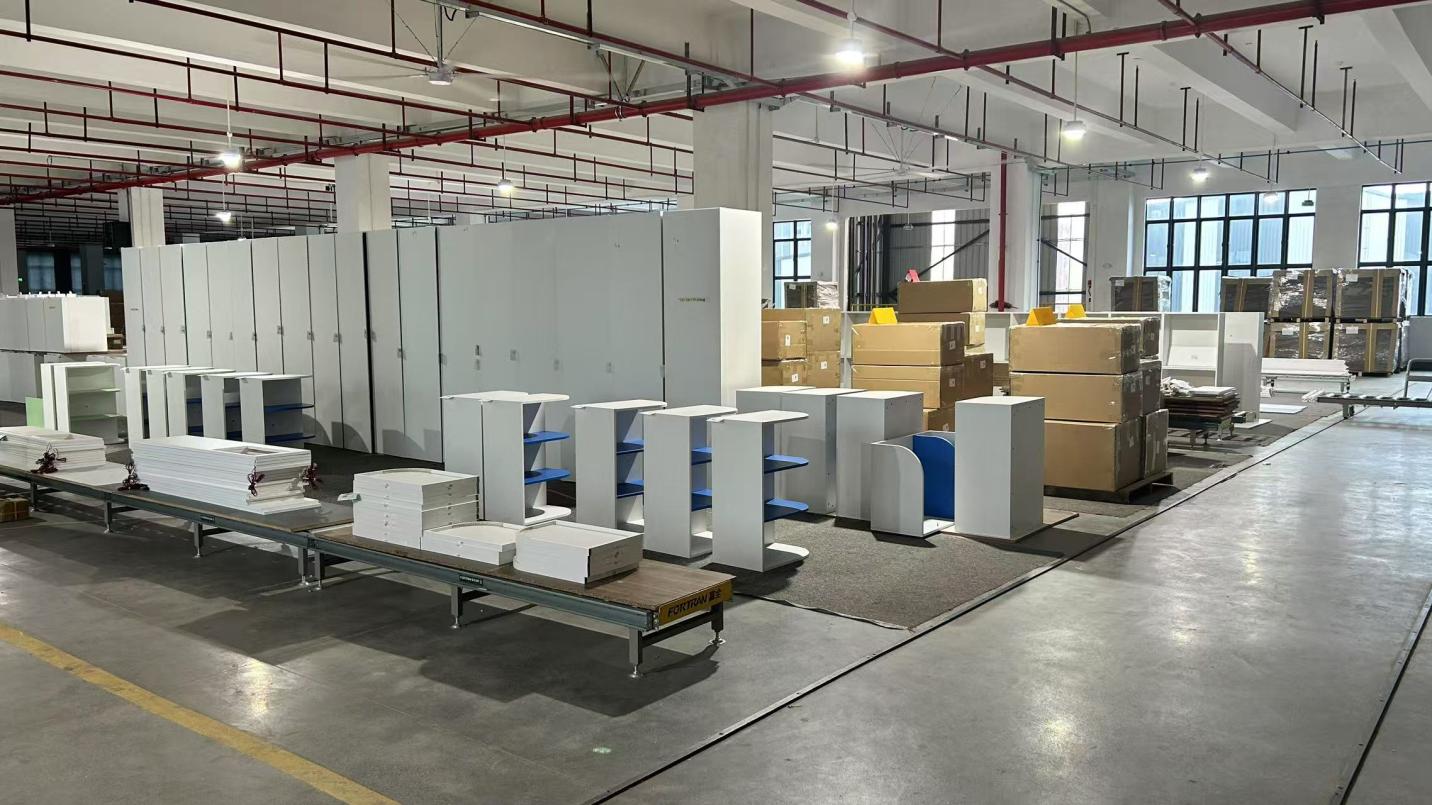
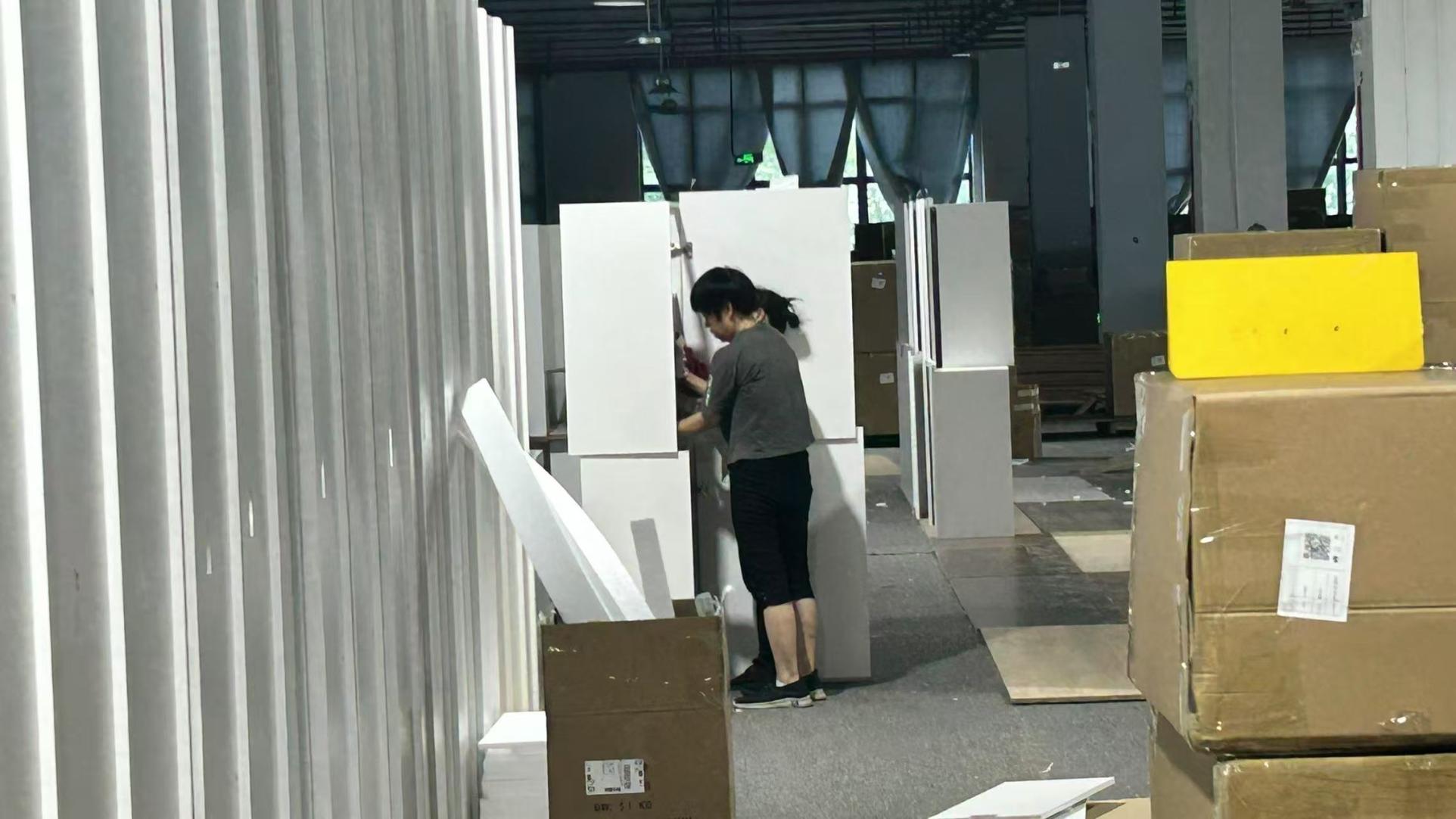
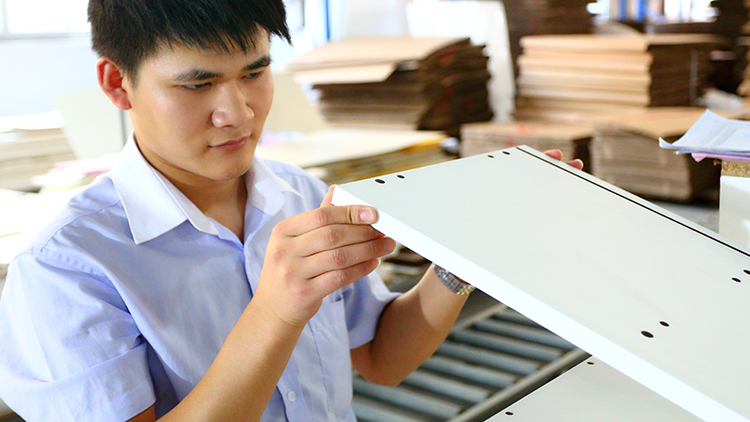
Modern developers utilize strict 32mm structural grids for modular cabinetry. Pre-machined dowel holes, shelf pin channels, and European hinge positions allow rapid assembling on-site without field cutting, significantly cutting local carpentry costs in North America, Australia, and Europe.
Key Driver 2: Sustainable Circular Materials & Low-VOC Mandates
Environmental, Social, and Governance (ESG) criteria now dictate institutional purchasing. Guangdong Fenzo Door & Window Co., Ltd. sources timber from sustainably managed pine and eucalyptus forests, converting wood residuals into high-density core board bound with non-added formaldehyde resins.
Get Catalog
4. Industry & Technological Development Trends in Melamine Manufacturing
The manufacturing landscape for melamine cabinetry is experiencing rapid technological advancements driven by automation and surface science:
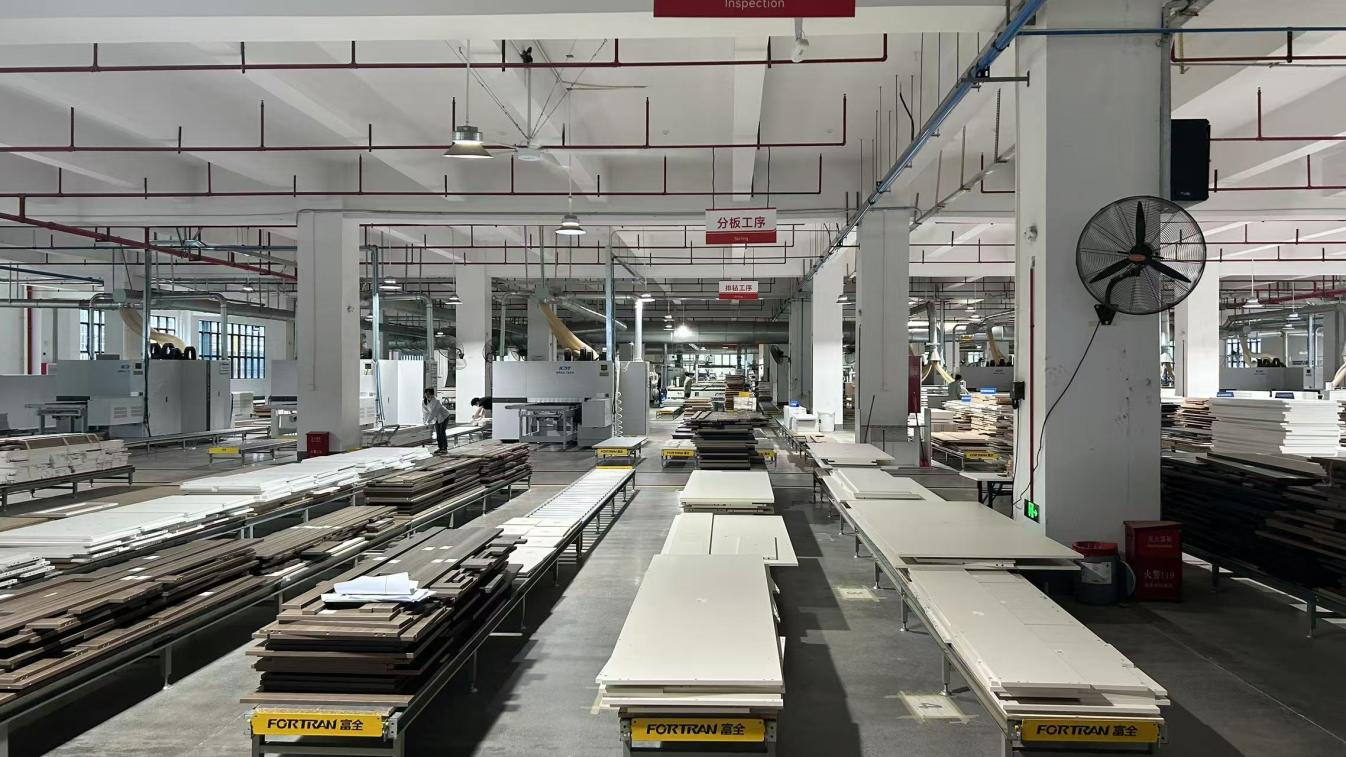
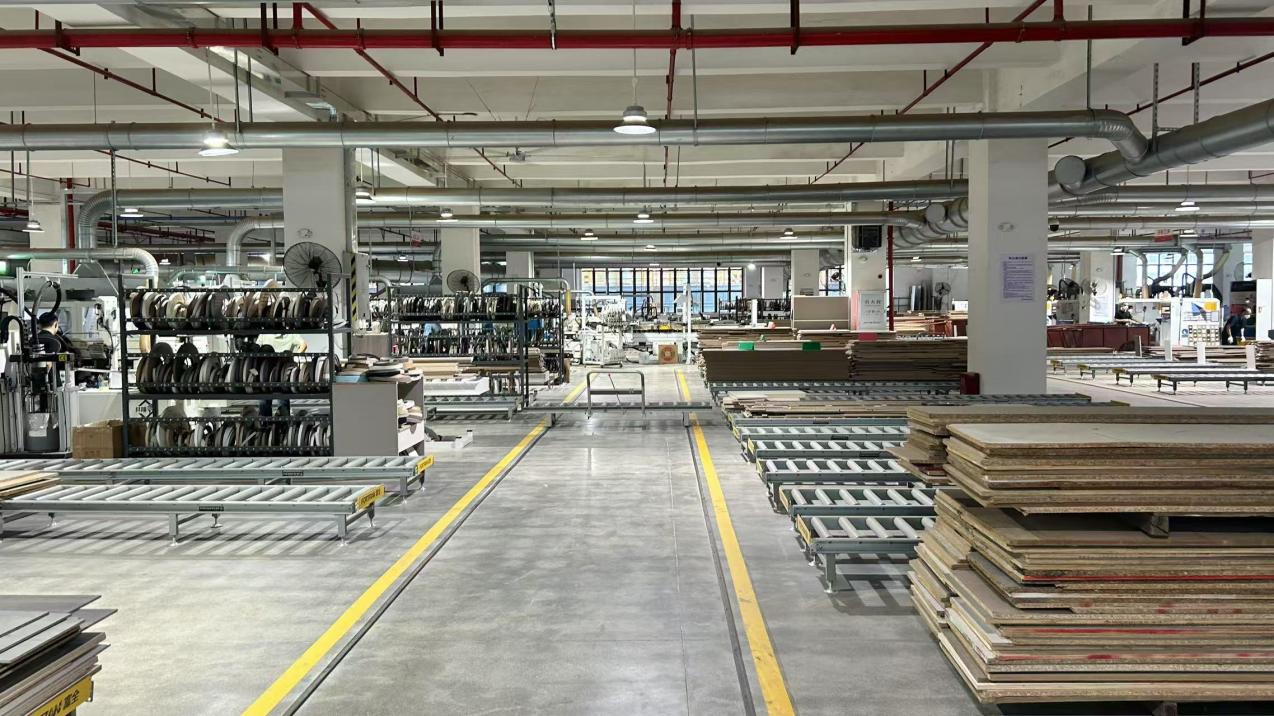
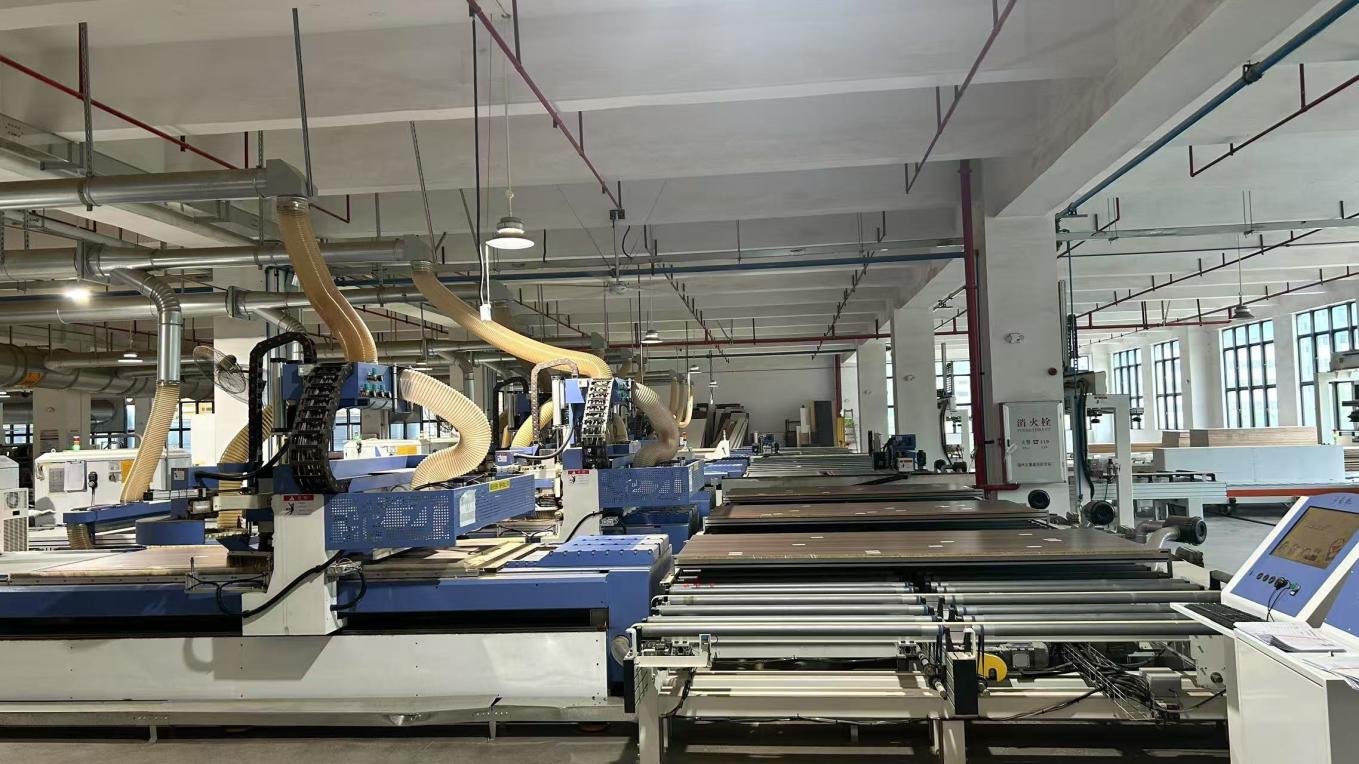
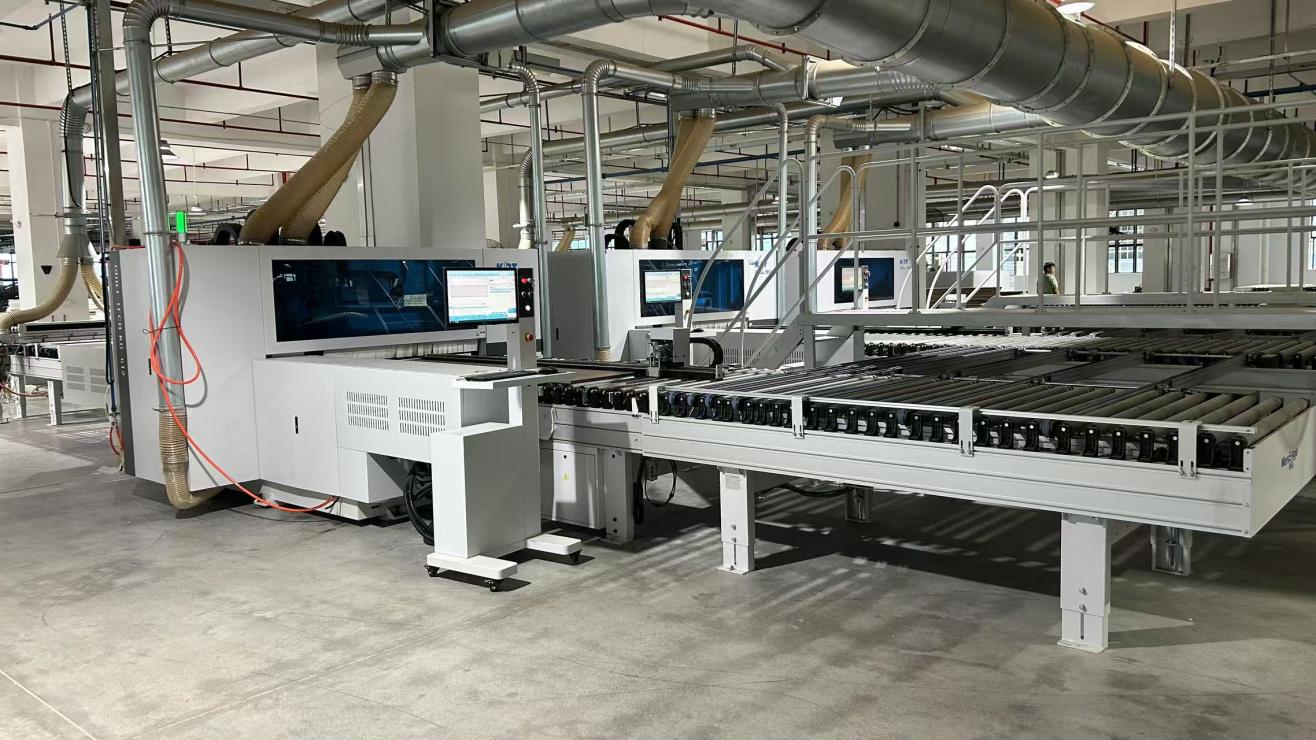
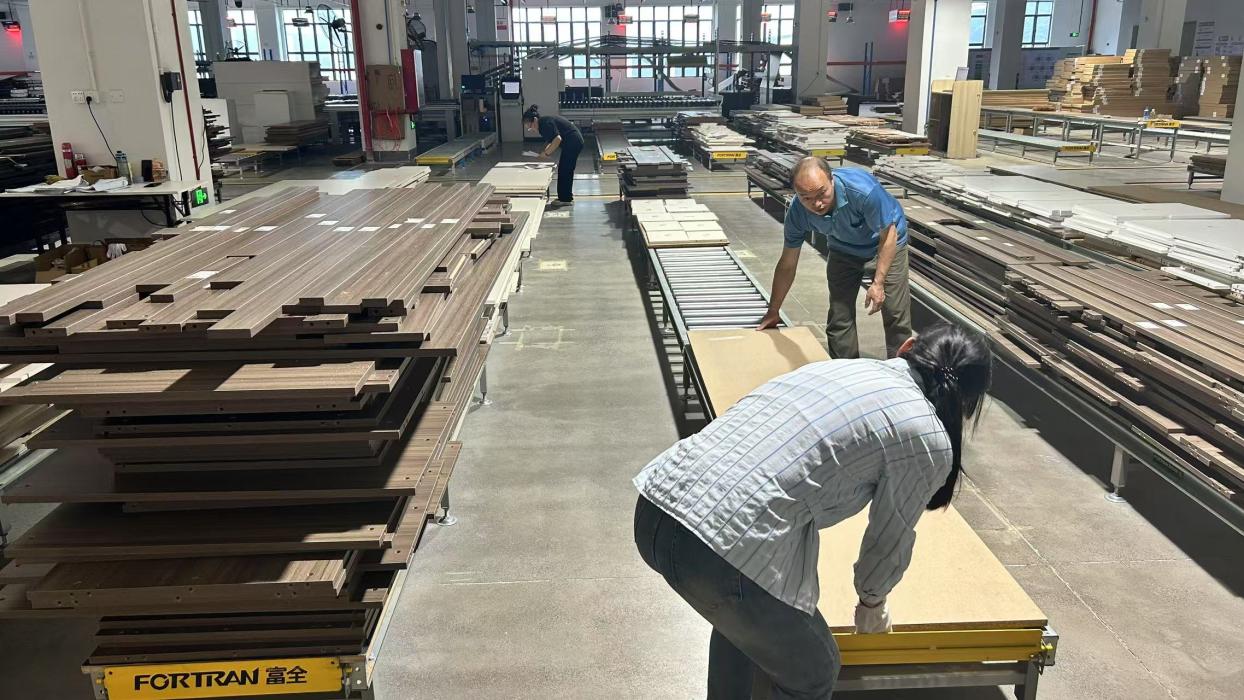
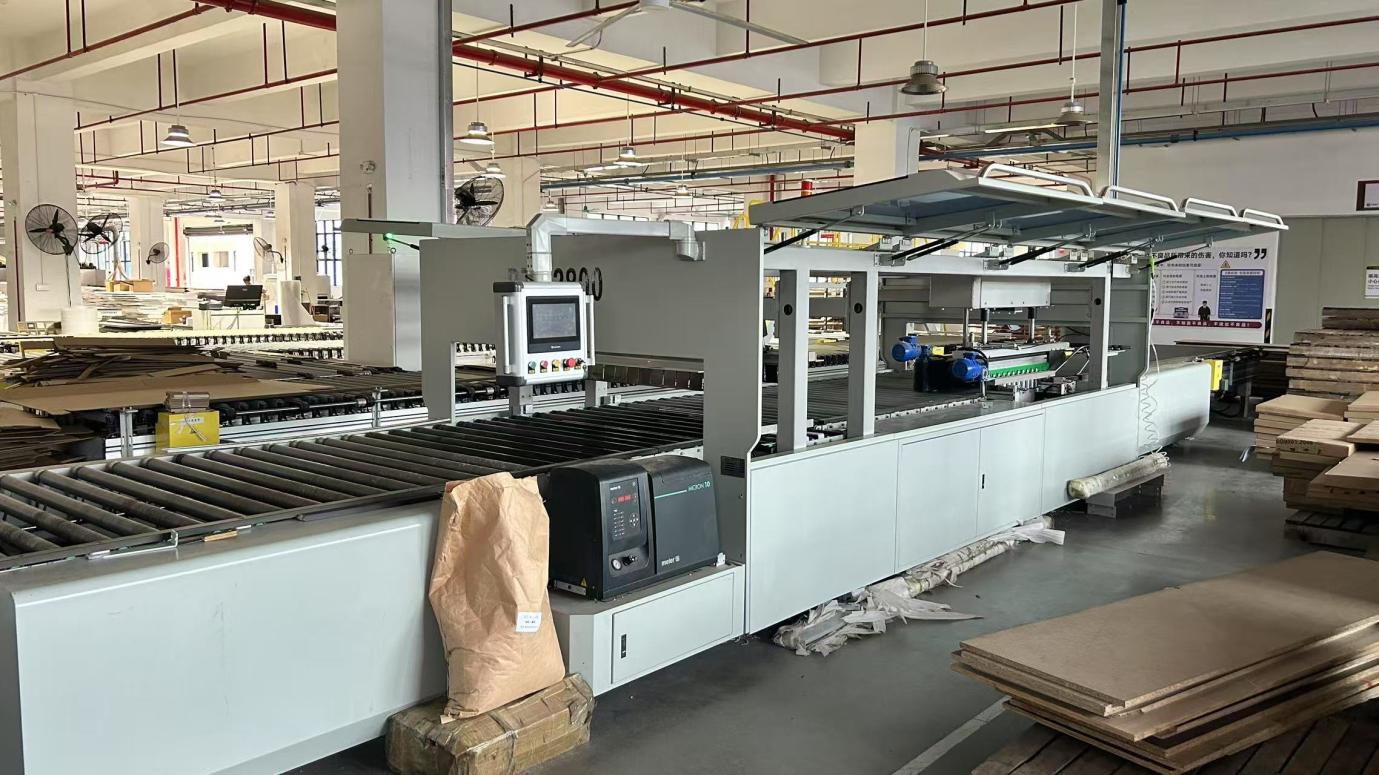
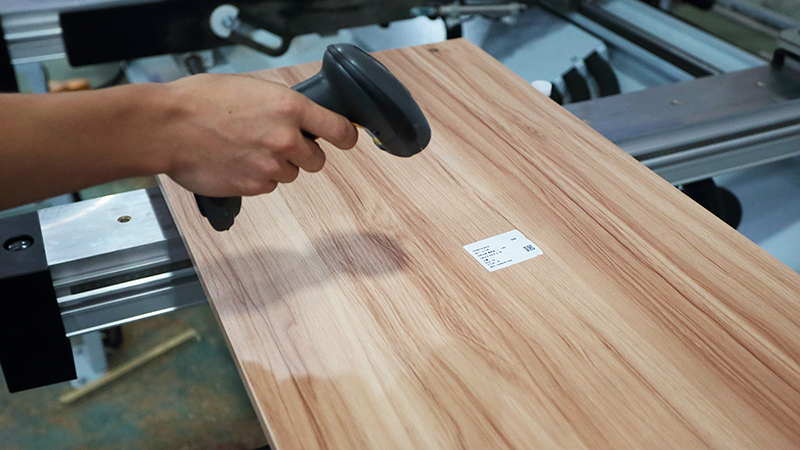
- Industry 4.0 Automated Nesting & Smart Sorting: Our manufacturing line integrates automated CAD/CAM software directly with Homag CNC routers. Board cutting, edge banding, hinge boring, and barcode labeling are executed seamlessly, minimizing manual human error to near zero.
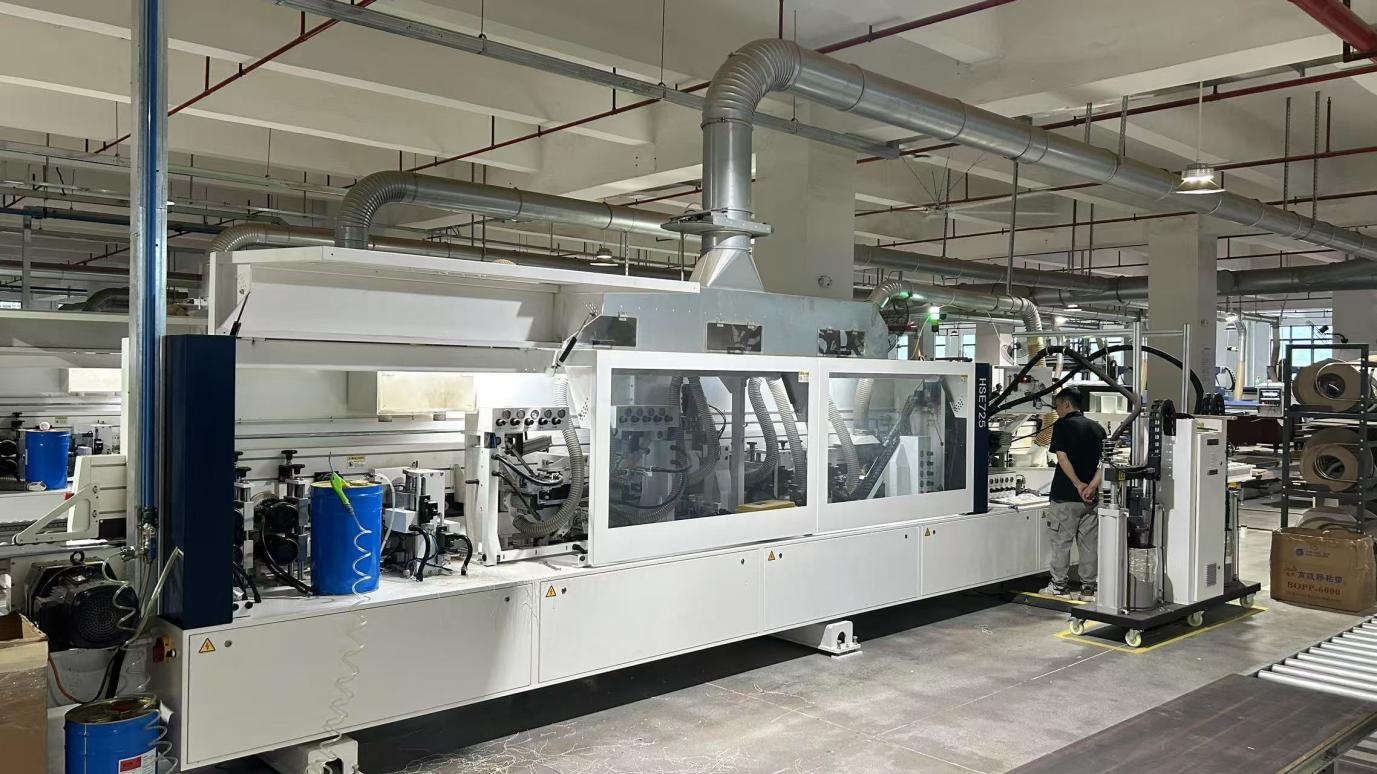
- PUR Hot-Melt & Invisible Zero-Joint Edge Banding: Traditional EVA adhesives deteriorate when exposed to oven steam or dishwasher vapors. Guangdong Fenzo Door & Window Co., Ltd. adopts PUR (Polyurethane) adhesive technology, creating a waterproof bond line that withstands temperatures up to 140°C and immersion in water for extended periods.
- Tactile 3D Texture Innovation: Modern melamine laminates are no longer flat print papers. Utilizing 3D Synchronized Embossed-in-Register (EIR) technology, surface textures align perfectly with wood grain prints, providing tactile realism equivalent to natural wood while retaining superior wear resistance.