Eight OEM Lines That Support Custom Closet, Cabinet and Interior Packages
Closet projects in the United States often connect to kitchens, interior doors, vanities, glazing and hotel casegoods. These eight product lines show how a coordinated factory order can reduce finish mismatch, simplify QC and consolidate export packing. All links and images below preserve the original product references.
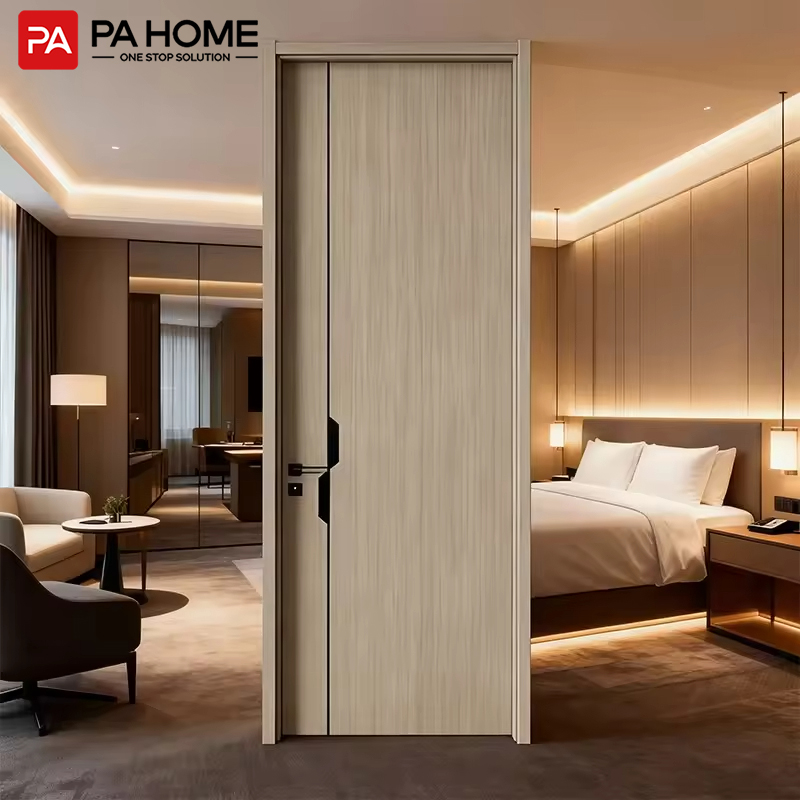
PA Luxury Hotel Bedroom Office Composite Interior/outdoor Wood Doors with Frame for Villa Houses
Useful for bedroom suites, hotel corridors and villa interiors where door packages should align with closet finishes and project hardware schedules.
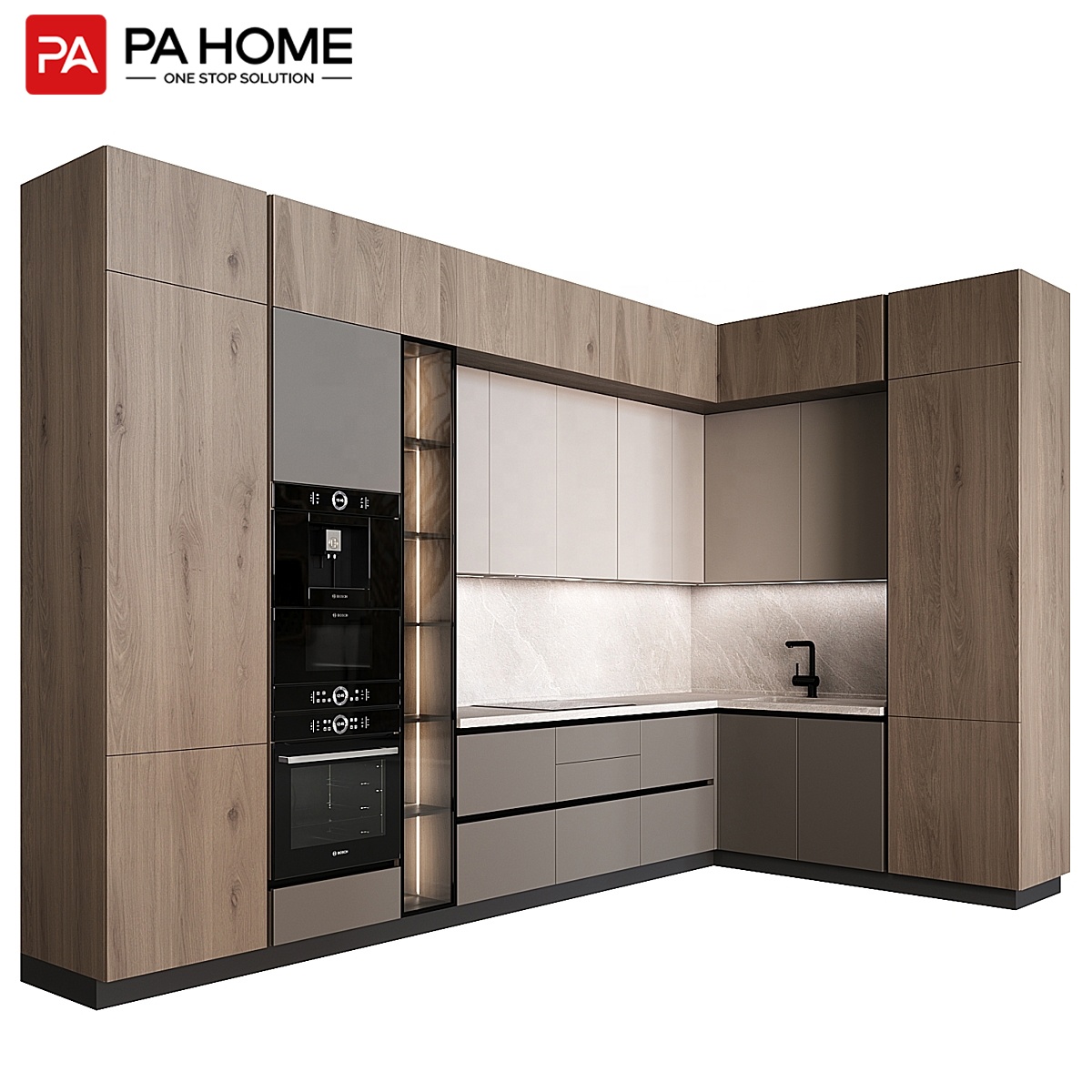
PA Factory Custom Kitchen Cabinet Manufacturer Compact All in One Movable 3 Pieces Kitchen Cabinet Pantry Units
A practical reference for small US apartments, rental units and pantry storage, where movable modules and dense internal organization matter.

PA Modern Home Furniture Lineare Cucina Professionale Completa Marble Stone Countertop Kitchen Cabinet
Suitable for open-plan US homes and premium multifamily show units where kitchen and closet joinery need a consistent design language.
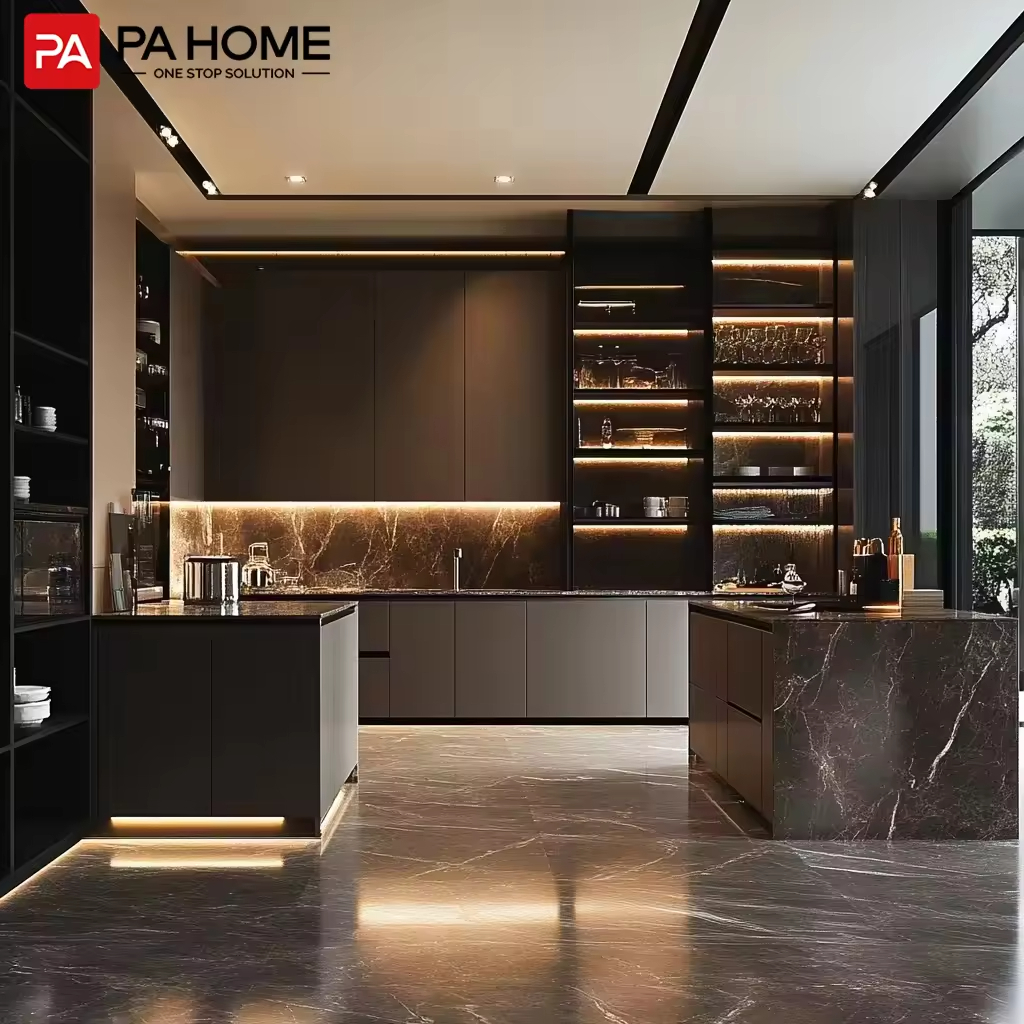
PA Kitchen Cabinets Island Woodvneer Painting Cabinets Modern Kitchen High Glass Melamine Kitchen Cabinet
An island-led configuration for luxury kitchens, pantry walls and storage-heavy interiors where veneer and paint finishes must be coordinated.
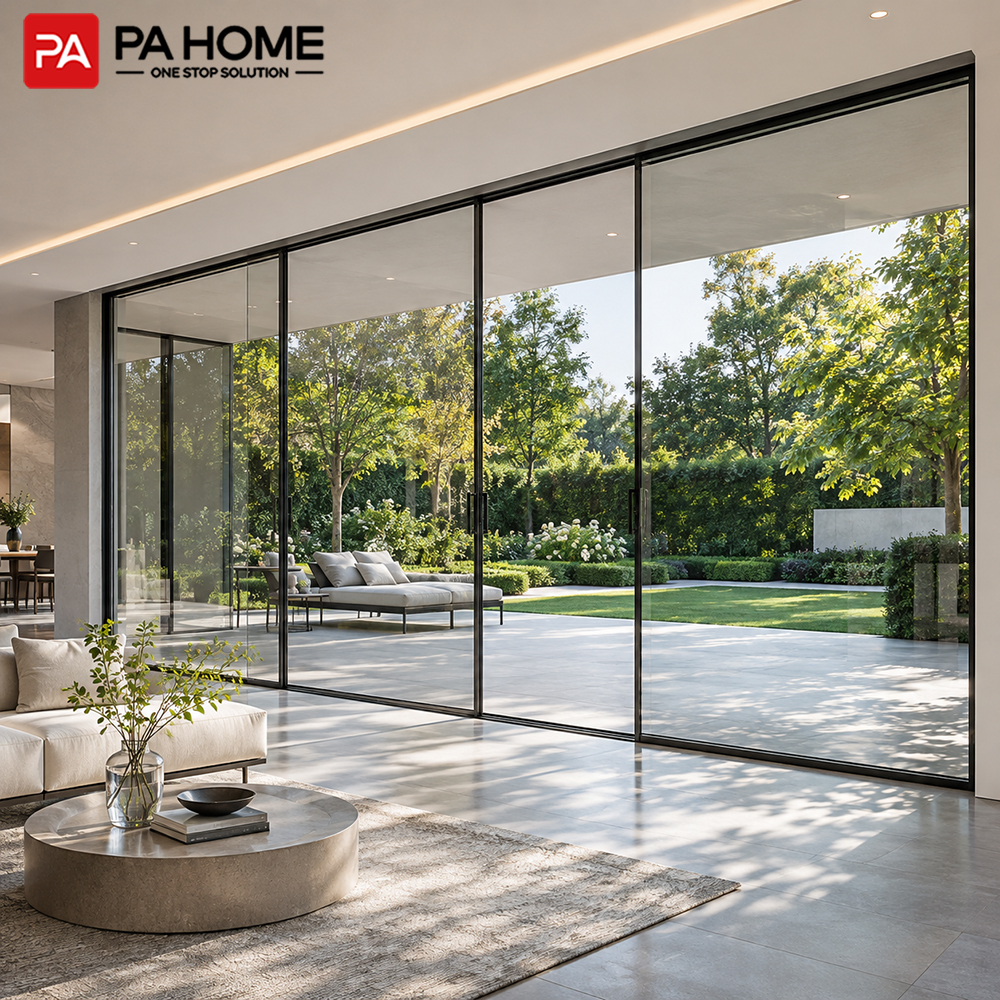
PA Slimline Panoramic Glass Wall System Wide View Space Saving Contemporary Residential Aluminum Slim Frame Sliding Glass Doors
Beneficial for indoor-outdoor living and daylight-driven interiors that connect closets, living areas and balconies in US residential projects.
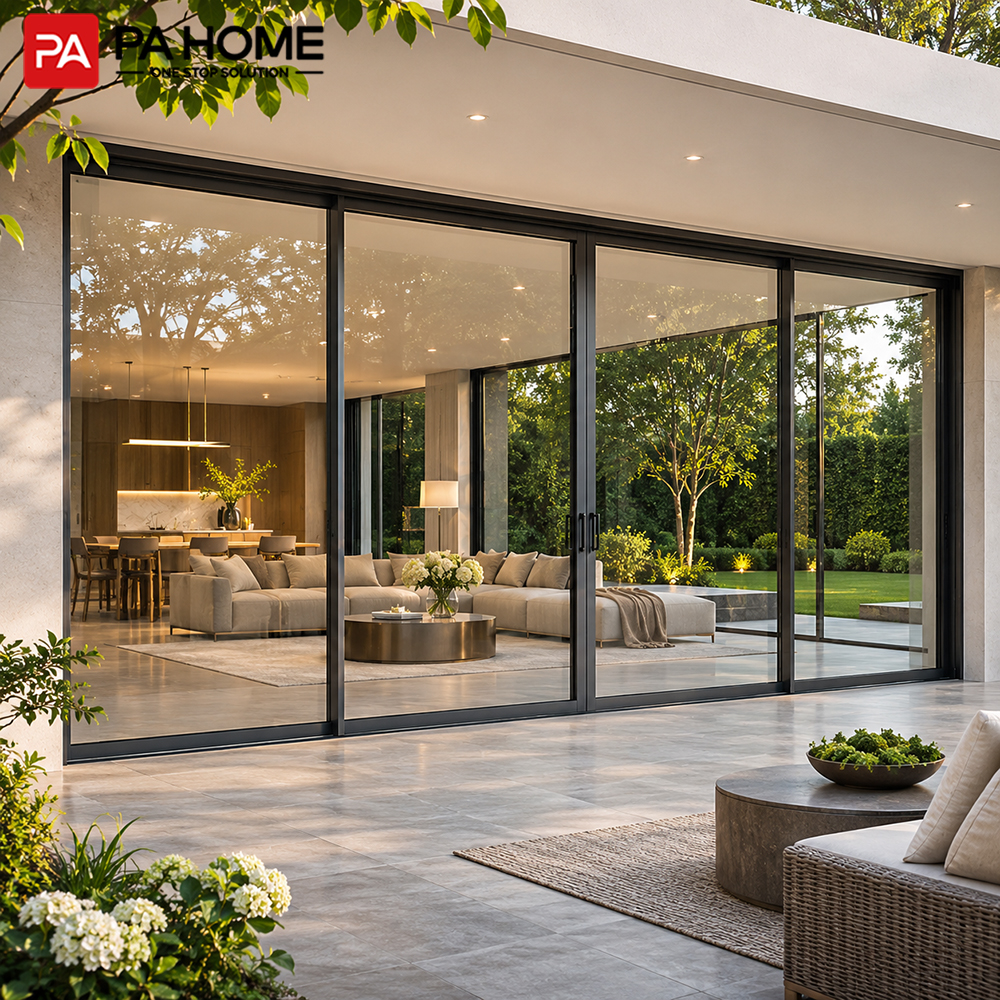
PA Custom Modern Luxury Soundproofing Double Glazed Tempered Glass Balcony Aluminum Folding Door
Relevant for home offices, bedrooms and hotel suites where acoustic separation is part of the buyer’s expectation for a premium interior package.
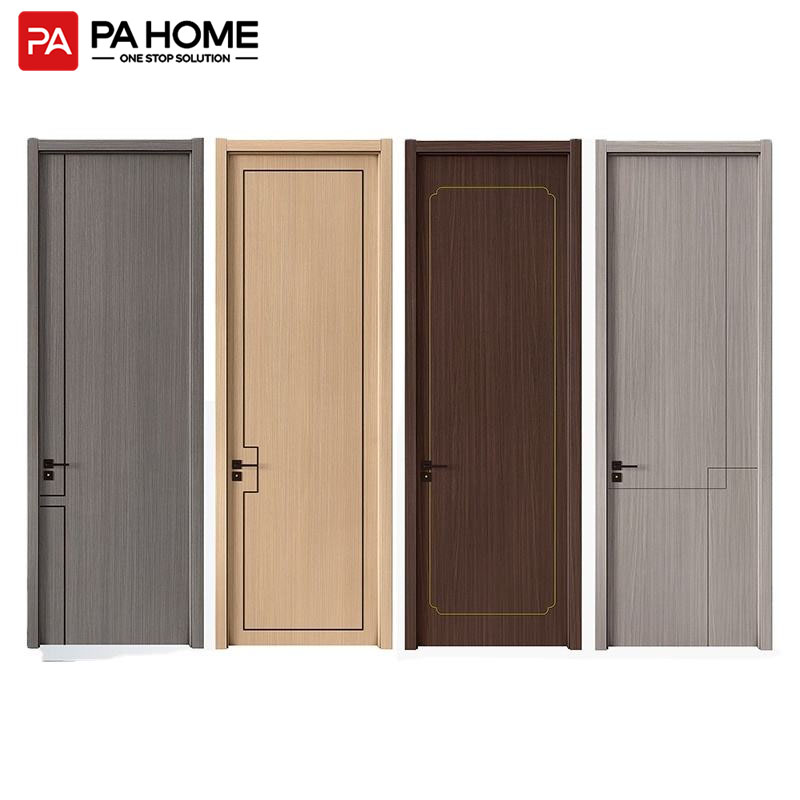
PA Modern Minimalist Interior Flush Flat Panel Door for Hotel Bedroom Living Room Modern Flat Panel Interior Door
Pairs naturally with built-in closet systems and contemporary wall panels where a clean, flush visual line is required.

PA Custom Contemporary Modern Houses Wooden Mdf Residential Use Interior Doors with Aluminum Frame
A suitable reference for multifamily and residential interiors that require repeatable door specifications, durable edges and simple installation coordination.
OEM Closet Cabinet Manufacturing for the United States Market: What Buyers Should Verify
When US buyers search for “custom OEM custom closet cabinets manufacturers & factories,” the intent is usually commercial investigation rather than casual browsing. They want a supplier who can interpret US drawings, adapt to inches and site tolerances, supply replacement parts, provide compliance documentation for the exact construction, and deliver without creating installation delays. In the United States, closet cabinets include walk-in closet systems, reach-in closet towers, pantry storage, laundry cabinetry, mudroom lockers, garage storage and hotel casegoods — not only bedroom wardrobes.
Guangdong Fenzo Door & Window Co., Ltd. is a custom manufacturer based in Zhaoqing, Guangdong, China, supplying the United States market and other international project markets. The company is SGS-verified on site, reports 17 years of industry experience, 363 staff, 56 cooperating factories, annual export value of US$9,550,817, more than 10 years of export experience and a 4.7/5 buyer rating. For US importers, the practical value is a factory-direct OEM/ODM partner that can coordinate kitchens, wardrobes, bathroom vanities, interior doors, aluminum windows and hotel furniture under one production and export program.
A useful buying insight is that a factory quote should be compared by scope, not by a single lump sum. Separate cabinet boxes, doors, drawer systems, hardware, lighting, countertops, filler panels, crating and installation drawings. This prevents hidden cost gaps when a US project moves from design development to construction documents. Another insight is revision control: closet dimensions frequently change after field measurement, so the factory’s drawing approval process matters as much as machine capacity.
- Full-house package sourcing
- Shop drawings from your plans
- Low MOQ from 1 meter
- Overseas warehouse support
- Incoming material inspection
- Finished-goods QC before packing
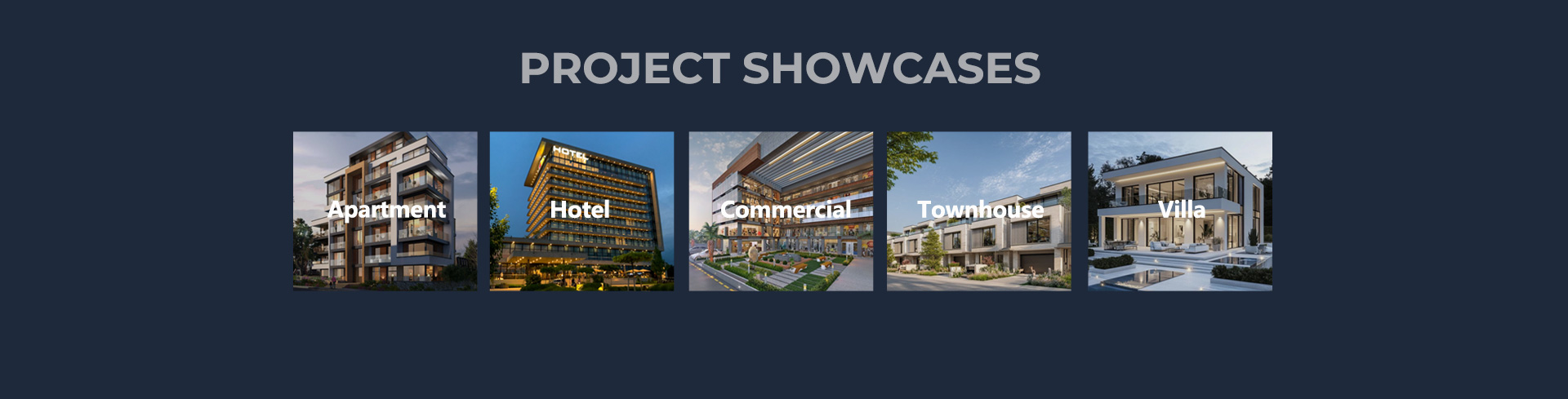
 Factory verified on site by SGS Group
Manufacturing Capacity in Numbers
Use verifiable company data as a starting point for supplier due diligence. Figures below reflect Fenzo’s published company and third-party verification information; request the latest report for the exact product and order you are evaluating.
Years in Industry
Continuous experience in custom cabinetry and interior products.
Annual Export Value
Reported annual export value of US$9,550,817.
Verified Staff
Designers, engineers, production teams and QC personnel.
Cooperating Factories
Supply-chain partners for hardware, glass, stone and profiles.
Buyer Rating
Average rating from verified international buyers.
Years of Exporting
Export packing, documentation and project communication experience.
Why Fenzo Is Relevant to US Custom Closet Cabinet Buyers
The strongest supplier is not simply the one with the largest factory. It is the one whose customization, documentation, inspection and export routines match the way US projects are specified, approved and installed.
SGS On-Site Verification
Factory legal status, premises, staffing and production capability have been assessed by SGS Group, giving US buyers an independent starting point for due diligence.
OEM, ODM & Sample-Based Customization
Support includes full customization, design-based customization from drawings, sample-based replication, OEM production under your brand and ODM product development.
One Coordinated Interior Package
Kitchens, wardrobes, walk-in closets, bathroom vanities, interior doors, aluminum windows and hotel furniture can be organized under one supplier relationship.
Incoming and Final Inspection
Quality control includes on-site incoming material inspection and finished product inspection before packing, as confirmed in the latest third-party inspection report.
Low MOQ and Project Flexibility
Many cabinet models start from 1 linear meter, allowing a sample run, show kitchen or pilot unit before a full multifamily or hospitality rollout.
Export Packing & Installation Support
Export packing, labelled flat-pack or assembled delivery, installation manuals, drawings and after-sales follow-up help reduce site friction.
Which Custom Closet Cabinet Configuration Fits Your US Project?
Start with how the space is used, not only with door style. The same factory can produce multiple closet cabinet formats, but the internal accessories, depths and installation sequence should be selected early.
Reach-In Closet Package
Best for apartments, townhomes and guest rooms. Prioritize adjustable shelving, single or double hanging rods, drawer towers, filler panels for drywall returns, and hardware labels that make installer sorting straightforward. Confirm rod depth and door swing before releasing production.
Walk-In Closet System
Best for primary suites, premium multifamily units and hospitality suites. Combine open shelving, island drawers, LED-ready panels, shoe racks and glass or solid doors. US buyers should request a finish-matched sample for door fronts, edge banding and interior board before approving a full order.
Pantry, Laundry & Mudroom Built-Ins
Best for high-storage homes and rental turnovers. Use compact pantry units, movable cabinet modules, durable toe kicks and moisture-conscious board options where appropriate. For laundry areas, distinguish between closet cabinetry and plumbing-related products so the correct documentation is requested.
Where US Buyers Commonly Use Custom OEM Closet Cabinets
Local application determines specification. A closet package for a rental apartment in Texas, a beach house in Florida, a hotel in New York and a model home in California may share a visual language but require different material and installation decisions.
Single-Family Homes
Primary walk-in closets, pantry walls, mudroom lockers and laundry storage can be produced as one coordinated package with matched finishes.
Multifamily & Build-to-Rent
Repeatable module sizes, durable hardware, replacement-part planning and clear packing labels matter more than one-off luxury detailing.
Hospitality Guest Rooms
Hotel wardrobes, luggage benches, mini bars and casegoods need brand-standard dimensions, durable surfaces and coordinated delivery schedules.
Mudrooms & Garage Entry
US households often request bench cabinets, cubbies, shoe storage, hooks and tall lockers that require stronger wear resistance and practical depth choices.
Home Office & Flex Rooms
Built-in filing drawers, concealed storage and Murphy-bed-adjacent cabinetry can be matched with interior doors and acoustic glazing.
Model Homes & Show Units
Sales teams need premium visual impact, consistent finish samples and fast replacement of display components when a show unit is refreshed.
Localized Development Trends in Custom Closet and Cabinet Procurement
US buyers are becoming more specific about compliance, replacement parts, installation sequencing and the total interior package. These trends affect how a factory should quote and document a custom closet cabinet order.
Documentation-Led Compliance
Requests for CARB Phase 2 / TSCA Title VI documentation on composite wood, model-specific CSA or cUPC certificates where applicable, and third-party inspection records are increasingly normal. Ask for documents for the exact board and product, not a generic brochure.
Storage as Architecture
Floor-to-ceiling closet towers, integrated lighting, bench seating and concealed storage are being designed as part of the room rather than as later furniture purchases.
Durable Modularity
Multifamily and build-to-rent projects favor repeatable modules, replaceable doors, standard hardware and simple installation documents that reduce turnover maintenance.
Finish Continuity
Buyers want closet cabinets, interior doors, kitchen panels and vanity fronts to feel related. A coordinated factory package can reduce the risk of mismatched whites, greys and wood tones.
Space-Efficient Interiors
US apartments and urban homes continue to value compact pantry units, movable cabinet modules, shallow storage and multi-purpose mudroom or laundry joinery.
One-Stop Interior Packages
Developers and importers increasingly prefer one supplier for cabinets, doors, glazing and hotel furniture to consolidate QC, packing and shipping communications.
How to Choose Materials for Custom Closet Cabinets
The right material depends on climate, budget, cleaning routines, door size and the level of visual refinement required. Use this comparison as a starting point, then approve physical samples and a written specification.
| Door / Surface | Typical US Closet Use | Moisture Resistance | Scratch / Wear | Budget Position |
|---|---|---|---|---|
| Melamine (MFC) | Rental apartments, hotel back-of-house, volume multifamily, pantry interiors | Medium | Medium | Entry |
| HPL Laminate | High-traffic family closets, mudroom lockers, laundry storage, commercial interiors | High | High | Mid |
| Lacquer / PU Paint | Designer walk-in closets, model homes, premium bedroom suites | Medium | Medium | Mid–High |
| Solid Wood | Classic shaker doors, premium villas, visible closet islands and drawer fronts | Medium–Low | Medium | High |
| Ceramic-Faced Doors | Humidity-conscious projects, waterproof needs, heat-resistant surface preferences | Very high | Very high | High |
Engineering note for US projects: confirm board core, edge banding, door thickness, hinge type, drawer runner rating, adjustable shelf load, wall-fixing method, filler panels for drywall returns, outlet cut-outs and baseboard scribe details. For composite wood, request CARB Phase 2 / TSCA Title VI documentation for the exact board. For plumbing-related items such as vanities, request model-specific cUPC documentation where applicable. Final compliance always depends on the approved specification.
From US Floor Plan to Packed Container in Six Steps
A documented workflow helps importers and project managers keep design approvals, material samples, production and site installation aligned.
Requirement Review
Share floor plans, elevations, target market, budget, hardware preferences and any compliance or brand standards.
Design & Shop Drawings
Layouts, 3D renderings and shop drawings are prepared for approval, including dimensions, fillers and installation notes.
Material & Sample Approval
Confirm boards, finishes, edge banding, hardware, glass, stone and representative sample parts before production.
Production & QC
CNC processing is followed by incoming material inspection and finished product inspection before packing.
Export Packing
Labelled flat-pack or assembled packing, carton protection and loading plans are prepared for container shipment.
Installation Support
Installation manuals, drawings, packing lists and after-sales follow-up support the final site assembly.
- Request before quoteRoom measurements in inches, wall type, floor level, ceiling height and delivery zip code or port.
- Approve before productionPhysical finish sample, hardware brand or equivalent, door profile and packing method.
- Check before shipmentPacking list, label logic, replacement parts, installation drawings and final inspection photos.
- Plan before installationSequence for drywall, flooring, baseboard, electrical outlets and closet system anchoring.
Inside the Production Base Behind Custom OEM Projects
Photos from the original company profile help buyers visualize the production, quality-control and packing environment before scheduling a factory audit or video review.
 Factory overview and production base
 Manufacturing facilities
 Production equipment
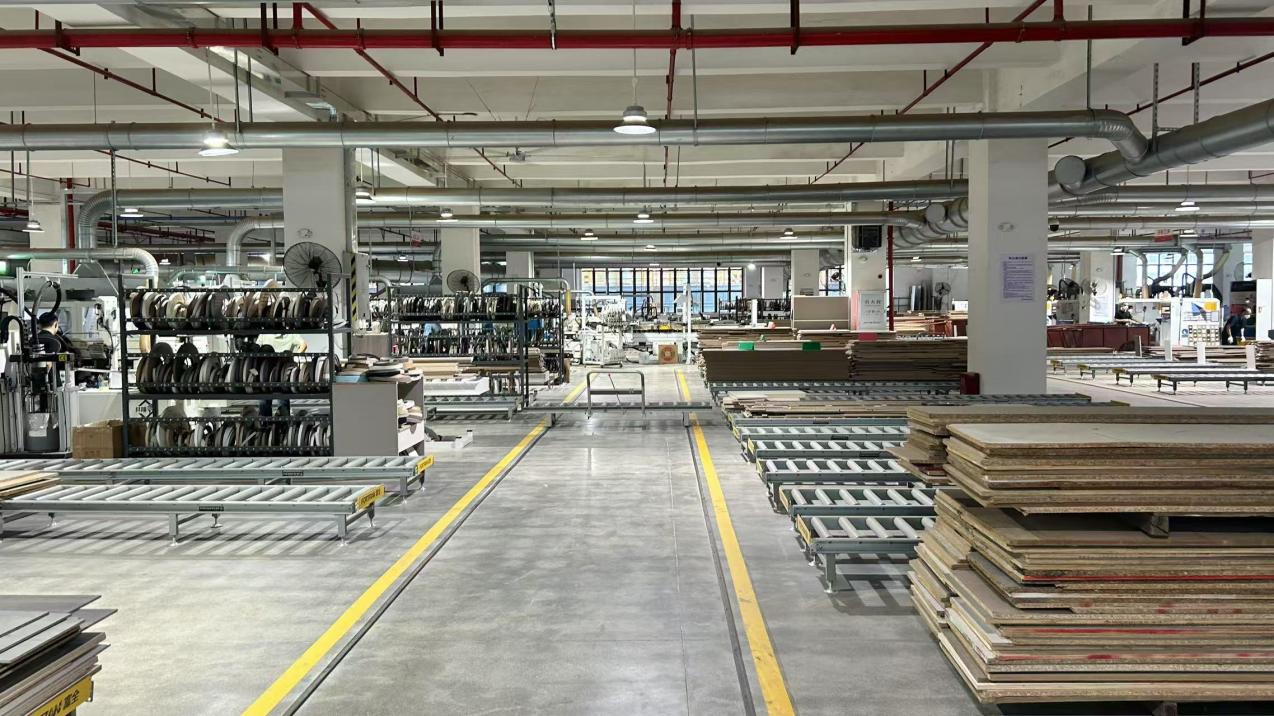 Production line
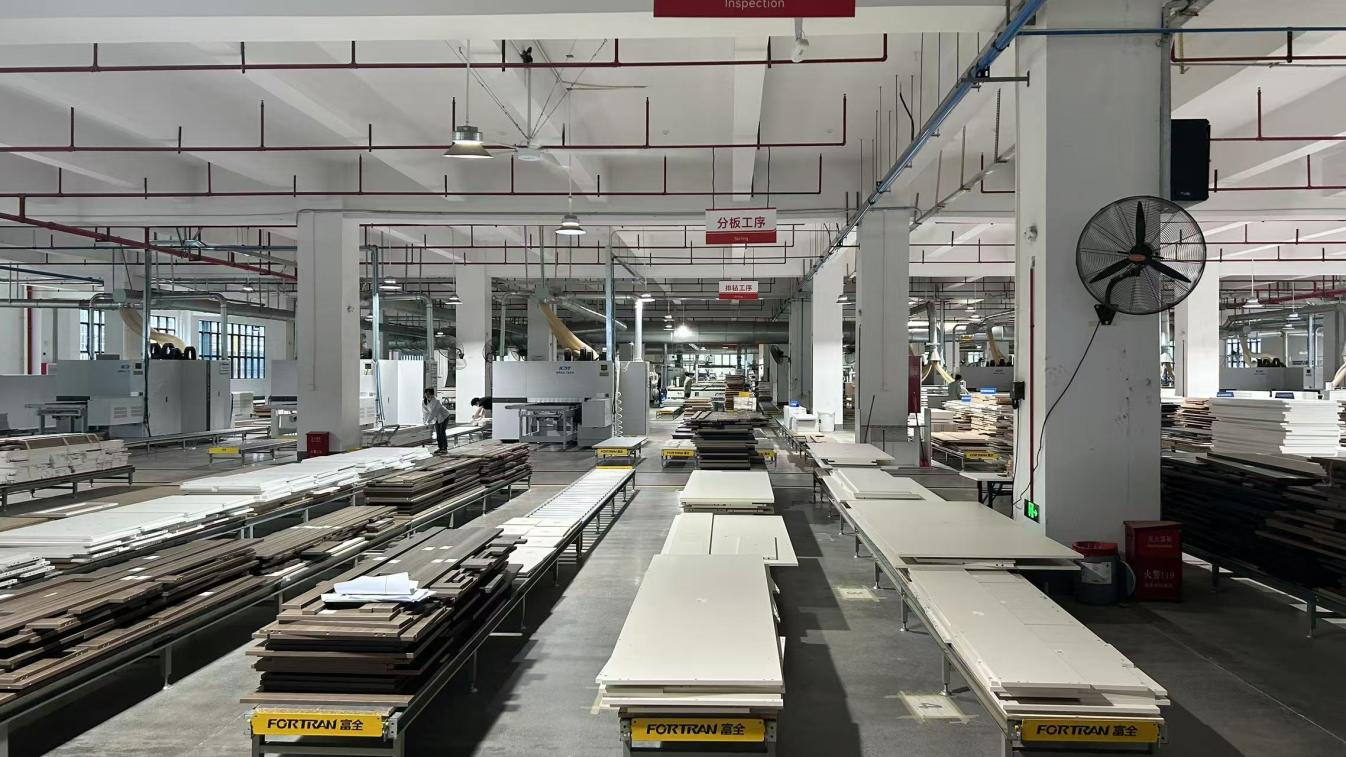 Manufacturing process
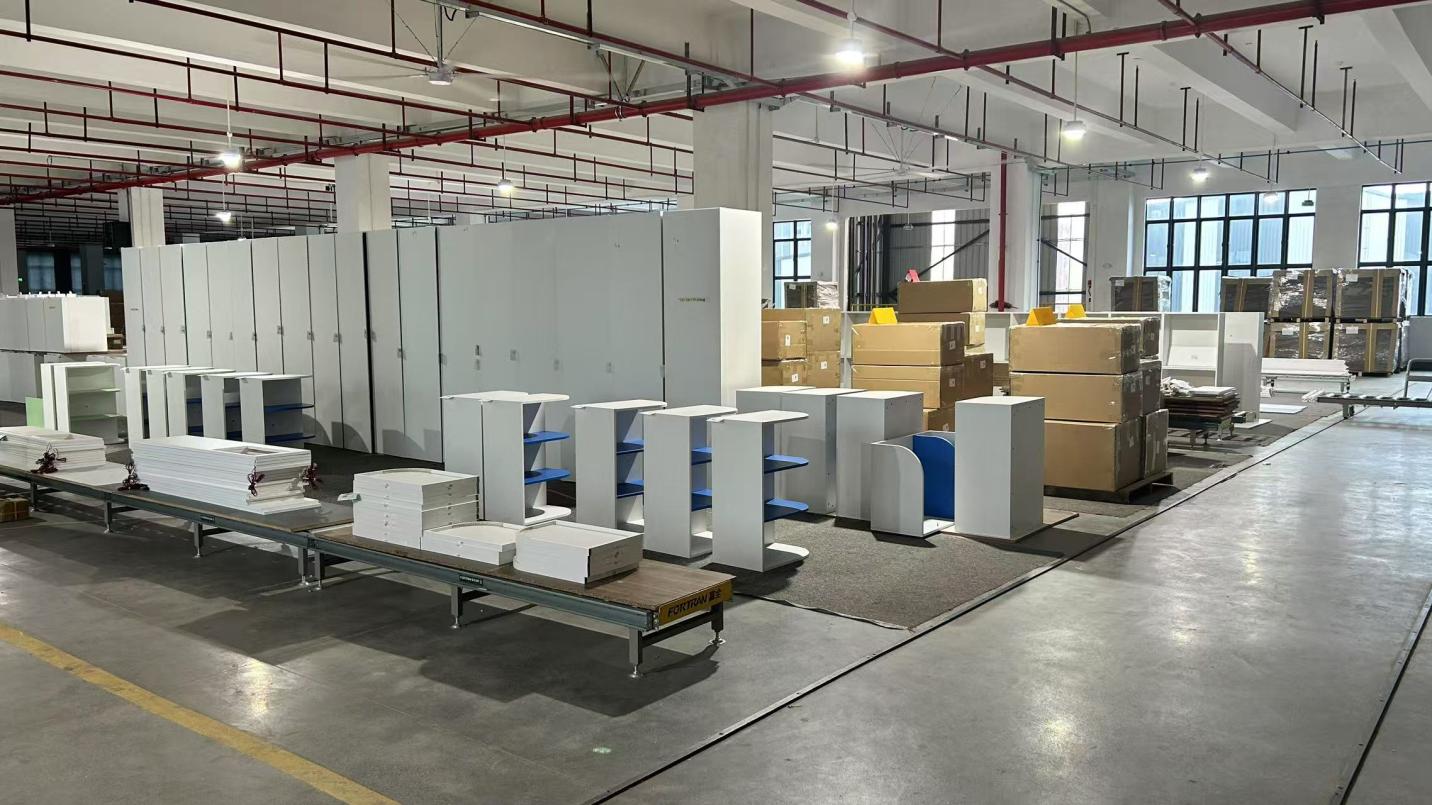 Quality control before packing
Certifications, Verification and Market-Specific Documents
Independent verification and market-specific marks can reduce compliance risk, but they must be matched to the exact product, material and order. Always ask for current documents before contracting.
SGS On-Site Verification
Factory legal status, premises and production capability assessed by SGS Group.
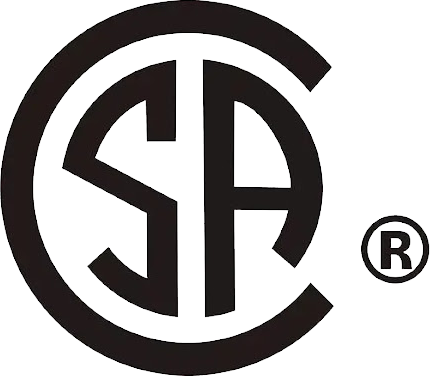
CSA Mark
Available on selected kitchen cabinet lines for Canada and the United States; confirm the exact model scope.

cUPC Mark
Plumbing-related compliance on selected products for North America; request model-specific documents where required.
Questions Local Buyers Ask Before Ordering Custom Closet Cabinets
These answers reflect common procurement questions from US importers, contractors, designers and project buyers evaluating an overseas OEM factory.
1. What is the difference between OEM and ODM for custom closet cabinets?
2. What is the minimum order quantity for a custom closet or cabinet project?
3. Can the factory work with US dimensions and inches?
4. Which compliance documents should a US buyer request?
5. How do you control quality before shipment?
6. Can Fenzo supply a complete apartment or hotel package?
7. How do closet cabinets coordinate with doors and kitchens?
8. What should be included in a US factory quote?
9. Do you provide installation support?
10. Why evaluate an overseas factory for the United States market instead of only local suppliers?
Planning a Custom Closet, Cabinet or Full Interior Package for a US Project?
Send your floor plans, elevations, target specification and delivery location. The Fenzo project team can review the scope and prepare the next step for OEM/ODM production.
Email: info@fenzohome.com