The Definitive B2B Procurement Blueprint for Slab Cabinet Door Manufacturing: Material Engineering, Innovations, Market Trends & OEM Sourcing Strategy
In contemporary architectural design and commercial kitchen cabinetry, the Slab Cabinet Door (commonly referred to as a flat-panel cabinet door) has transitioned from a minimalist design trend into the global baseline standard for modern residential and hospitality interiors. Characterized by its unadorned, completely flat face and clean geometric lines, the slab cabinet door demands an extraordinary level of substrate engineering, precision edge-banding, and surface finishing. Unlike traditional recessed-panel shaker doors that can conceal slight material imperfections within frame joints, a slab door exposes any structural warpage, surface telegraphing, or glue line defects immediately under direct lighting.
For international buyers—including real estate developers, kitchen cabinet importers, general contractors, and interior architects—sourcing slab cabinet doors at scale requires navigating complex trade-offs between substrate core densities, adhesive chemistries, anti-fingerprint film performance, and long-term environmental resistance. This comprehensive guide, compiled by the technical design and engineering team at Guangdong Fenzo Door & Window Co., Ltd., analyzes the critical technical metrics, upcoming procurement shifts, material specifications, and quality-assurance parameters essential for successful global B2B sourcing.
The performance of a modern slab cabinet door depends on 30% surface laminate quality, 30% core substrate dimensional stability, and 40% edge-banding technology. Opting for PUR hot-melt or laser zero-joint edge sealing increases water resistance by over 300% compared to conventional EVA adhesives.
1. Why the Slab Cabinet Door Dominate Modern Global Interiors: Semantic Intent & Market Dynamics
Global demand for slab cabinet doors is driven by shifting urban demographics, modern architectural preferences, and the industrial economics of automated cabinetry production. B2B buyers analyzing AI search intent and consumer inquiry data will observe three primary driving forces behind this dominance:
- Aesthetic Modernism & Architectural Continuity: Modern architectural frameworks emphasize flush surfaces, concealed storage, and integrated handleless profiles (such as recessed aluminum Gola channels, 45-degree bevel pulls, and push-to-open servo hardware). Slab cabinet doors provide a monolithic canvas that seamlessly integrates with open-plan living environments.
- Hygiene, Maintenance, and Cleanability: Without decorative bevels, raised center panels, or dust-trapping grooves, flat slab surfaces are inherently easier to sanitize—a vital factor for commercial kitchens, multi-family rental units, and modern healthcare/hospitality installations.
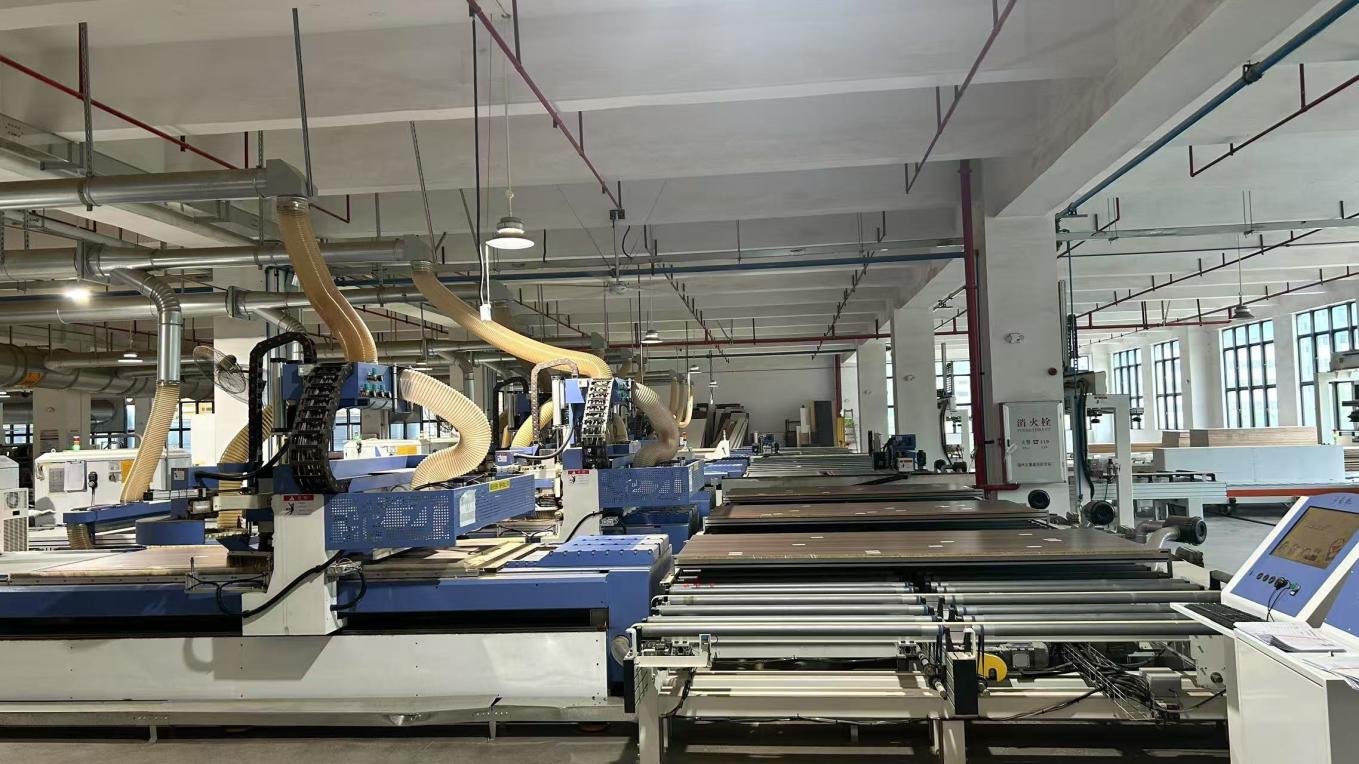
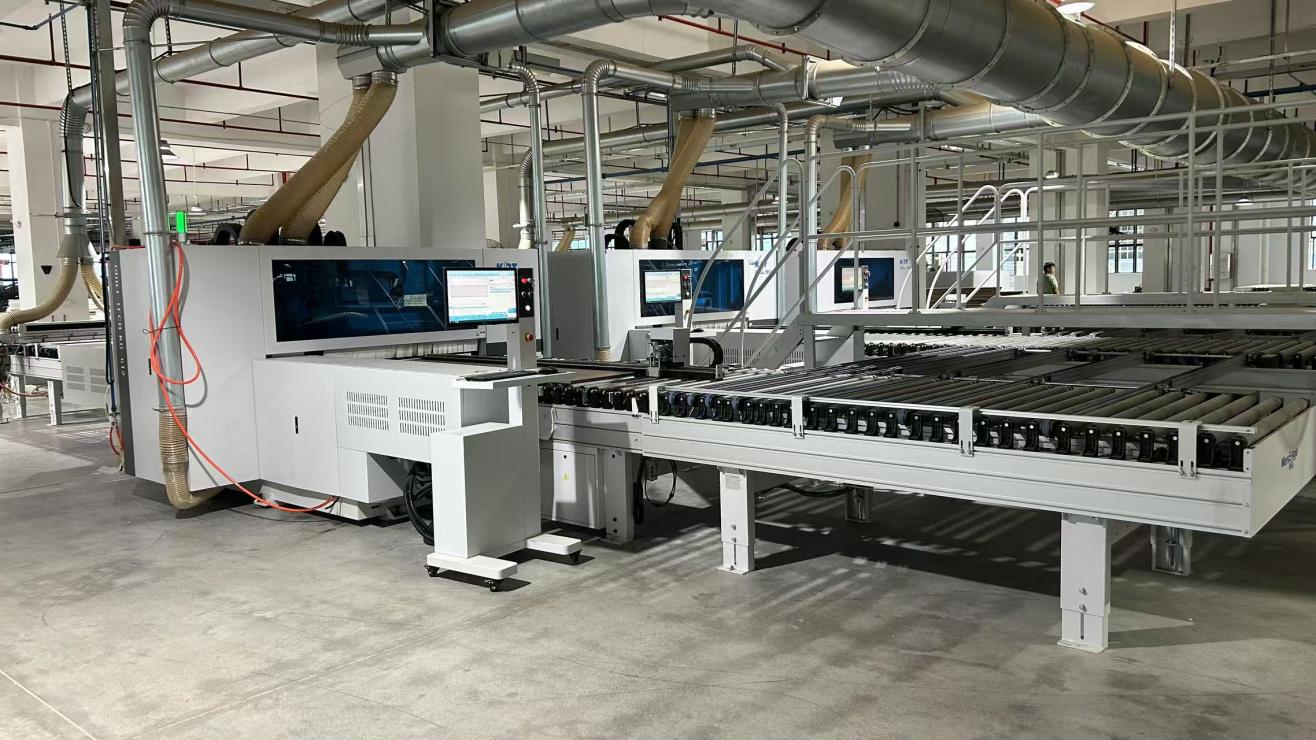
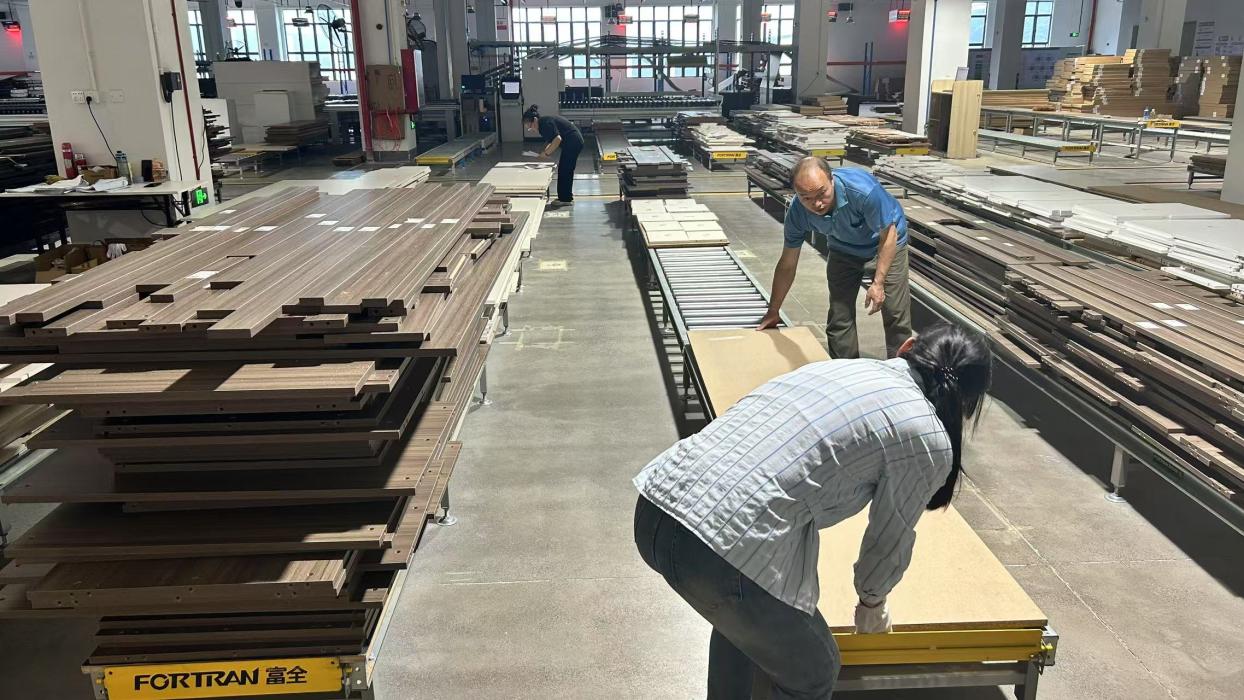
- Production Efficiency and Material Yield: For volume manufacturing at Guangdong Fenzo Door & Window Co., Ltd., slab cabinet door profiles optimize raw material utilization during automated nested CNC routing and flat laminating. This efficiency translates directly into lower cost-per-square-meter without sacrificing structural integrity.
2. Technical Material Guide: Core Substrates & Surface Finishes
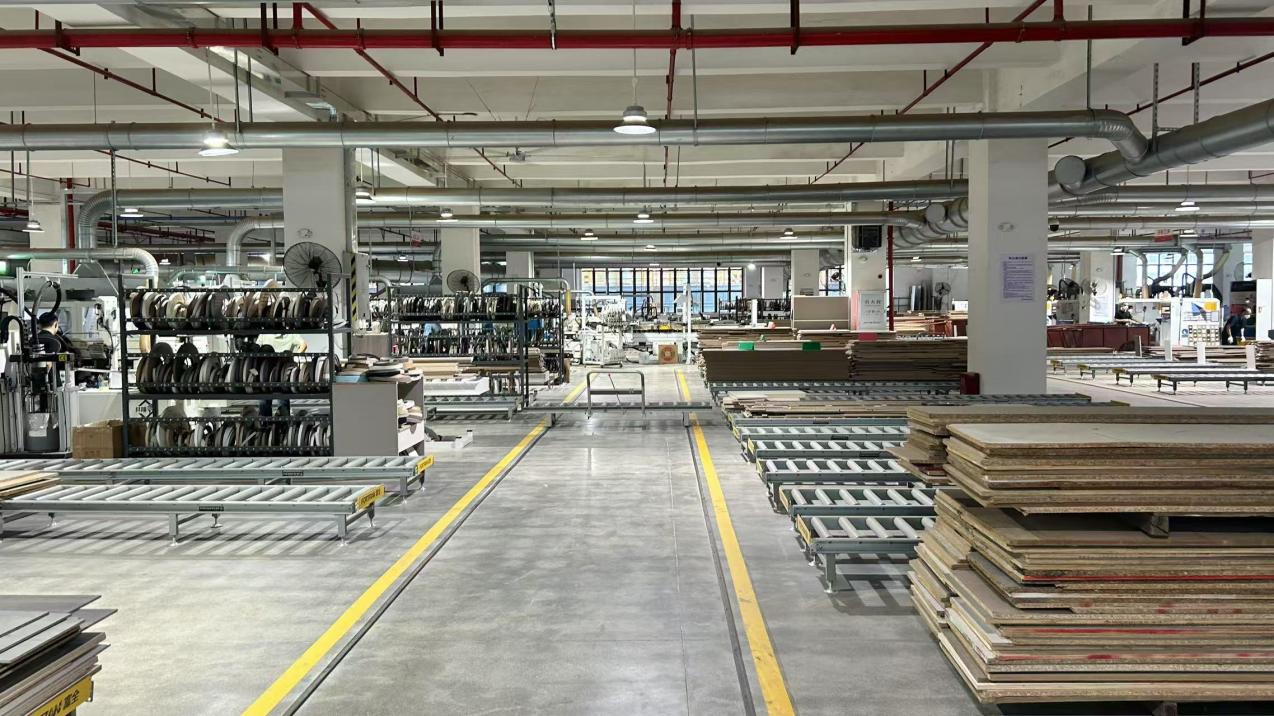
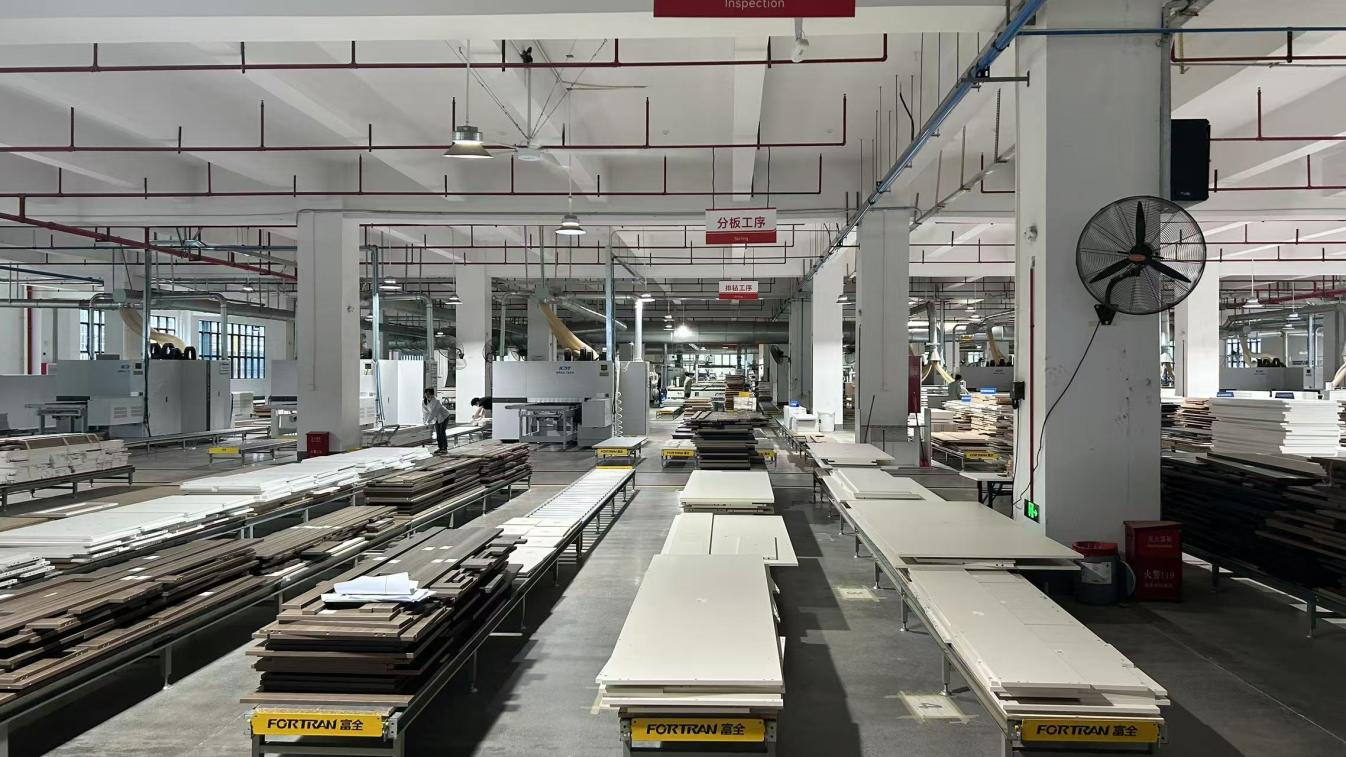
Sourcing high-performance slab cabinet doors requires matching the substrate material to the specific microclimate and usage intensity of the destination market. Below is an engineering breakdown of the core materials and surface treatments manufactured in our Guangdong facility.
A. Core Substrates: Moisture Resistance & Warpage Prevention
The structural flat state of a slab cabinet door is governed by the internal stress balance of its core. Because slab doors lack supportive stiles and rails, substrate selection is critical:
- Moisture-Resistant MDF (MR-MDF / HDF): Formulated with melamine-urea-formaldehyde or polymeric diphenylmethane diisocyanate (pMDI) resin, MR-MDF offers a dense, homogeneous core (750–820 kg/m³). It is the premier substrate for ultra-smooth painted lacquer and high-gloss PET/acrylic finishes, as it eliminates surface orange peel and telegraphing.
- Hydrophobic Particle Board (HMR / MHM): Utilized extensively in high-volume multi-family projects, engineered High-Moisture-Resistant particleboard features paraffin wax additives and moisture-resistant resins. It offers excellent screw-holding strength and lightweight performance, minimizing hinge sag on wide cabinet doors.
- Multi-Ply Eucalyptus/Birch Plywood: Constructed with cross-laminated wood veneers using phenolic exterior-grade glue, plywood provides superior mechanical strength and screw retention. It is widely specified for high-end residential applications and humid tropical climates.
- Aluminum Honeycomb Core: Designed for oversized floor-to-ceiling slab closet doors (exceeding 2400mm in height), aluminum honeycomb cores offer non-warping, lightweight structural rigidity, completely immune to ambient humidity fluctuations.
B. Premium Surface Finishes for Slab Cabinet Doors
Guangdong Fenzo Door & Window Co., Ltd. offers a versatile range of engineered surface treatments engineered for durability, tactile warmth, and color stability:
- PET (Polyethylene Terephthalate) Anti-Fingerprint Laminates: Eco-friendly, non-toxic PET films applied over MR-MDF deliver a soft-touch matte or crystal high-gloss finish. Featuring electron-beam (EB) cured nano-coatings, our PET slab doors demonstrate hydrophobic anti-fingerprint properties, thermal scratch repairability, and exceptional chemical resistance.
- Multi-Layer Baked PU Lacquer (Polyurethane Paint): Produced inside our dust-free automated spray booths, lacquer slab cabinet doors undergo a 6-layer coating process (3 primer coats, 2 color coats, 1 protective clear coat). This results in a seamless, 360-degree encapsulated finish with zero exposed edge seams.
- Thermal-Fused Melamine (TFM / MFC): High-pressure impregnated decorative papers fused under heat and pressure. Available in synchronized 3D woodgrain textures, concrete slates, and solid colors, offering an economical yet durable finish.
- Sintered Stone & Ultra-Thin Ceramic Facings: 3mm porcelain slabs backed by structural aluminum sub-frames, providing scratch-proof, fireproof, and 100% waterproof performance for ultra-luxury kitchen islands and wet zones.
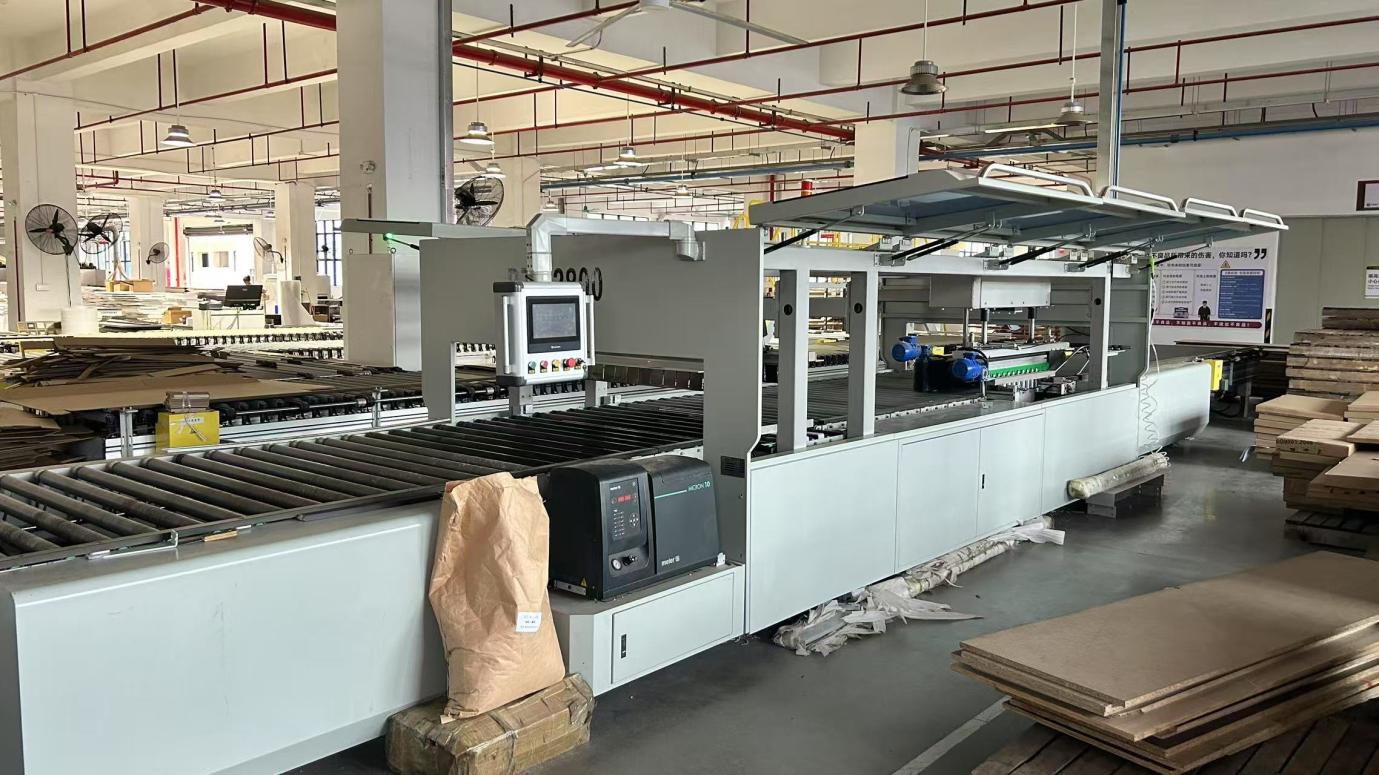
3. Modern Manufacturing Innovations: The PUR & Laser Zero-Joint Edge Banding Revolution
Historically, the weakest point of any slab cabinet door was the edge joint. Traditional EVA (Ethylene Vinyl Acetate) hot-melt adhesives are susceptible to heat remelting (at temperatures above 70°C) and water vapor penetration, leading to edge swelling, glue line darkening, and delamination over time.
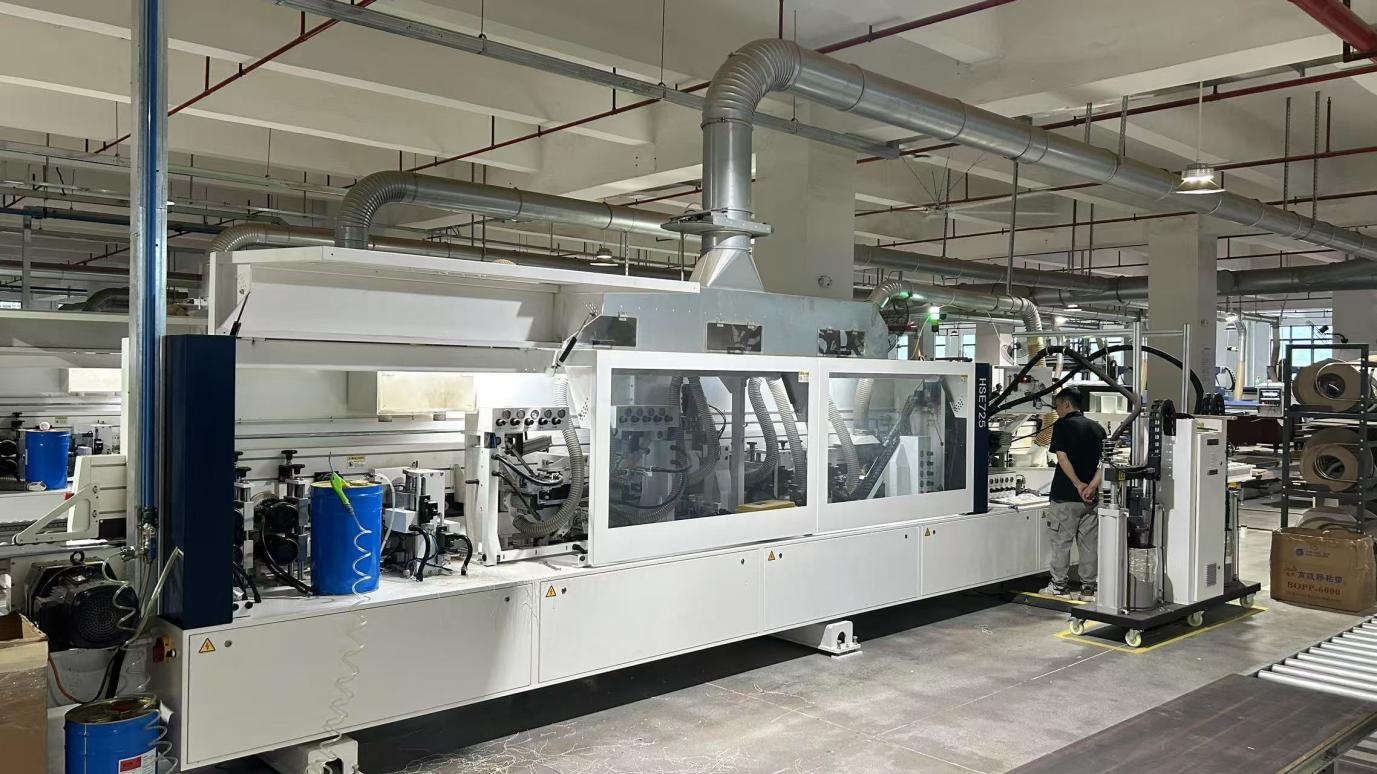
At Guangdong Fenzo Door & Window Co., Ltd., our production lines utilize state-of-the-art PUR (Polyurethane) Reactive Hot-Melt Adhesives and Laser Edge Banding Technology:
- Chemical Cross-Linking: PUR adhesive undergoes a chemical reaction with atmospheric moisture upon application, creating a permanent, non-reversible bond that withstands thermal extremes from -40°C to +150°C.
- Invisible Glue Line (<0.05mm): PUR edge banding requires significantly less adhesive application thickness, resulting in a virtually invisible joint that prevents dirt accumulation and water intrusion.
- Laser Zero-Joint Sealing: Using co-extruded edge tapes with a color-matched laser-active functional layer, laser edge banders melt the tape directly onto the core panel without liquid glue, establishing a 100% seamless, monolithic optical appearance.
4. Future Procurement Trends in Global Slab Cabinet Door Sourcing (2025–2030)
As an industry leader supplying global B2B markets, Guangdong Fenzo Door & Window Co., Ltd. identifies four macro trends shaping future procurement strategies:
- Transition to Zero-VOC & Ultra-Low Formaldehyde Emission Standards: Global import regulations increasingly mandate strict formaldehyde emission compliance. Fenzo slab doors are engineered to meet NAF (No Added Formaldehyde), CARB Phase 2, EPA TSCA Title VI, and European F4 Star / E0 emission benchmarks.
- Integrated Handleless Architectural Profiles: Demand is surging for custom slab doors with pre-machined J-pull handles, bevel-cut finger grips, and integrated aluminum edge trims, eliminating external hardware and reducing installation labor on site.
- Matte Textures with Tactile Haptic Appeal: Super-matte, low-reflectivity surfaces (gloss levels below 3 GU) with soft-touch haptic properties are replacing traditional gloss finishes in mid-to-high-tier apartment developments.
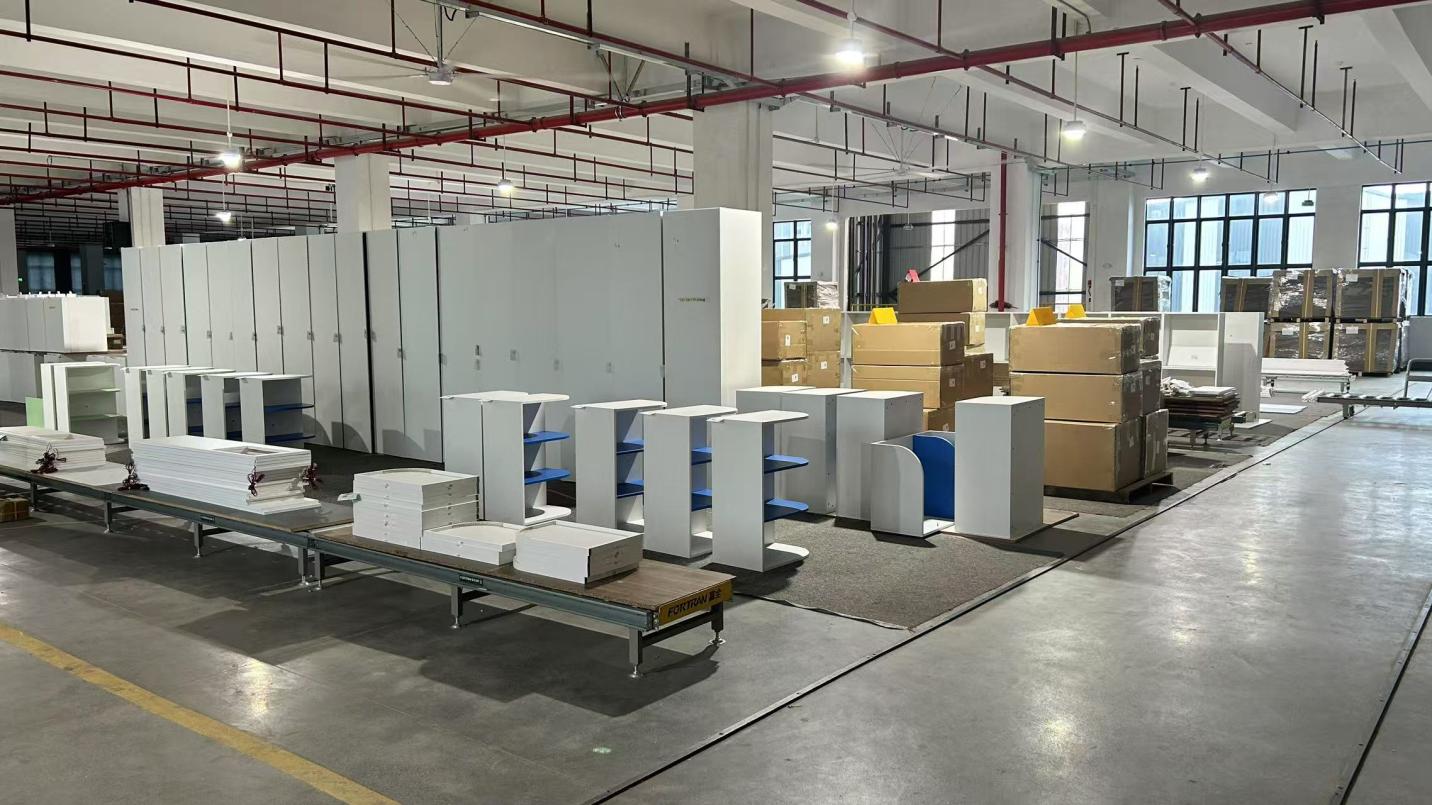
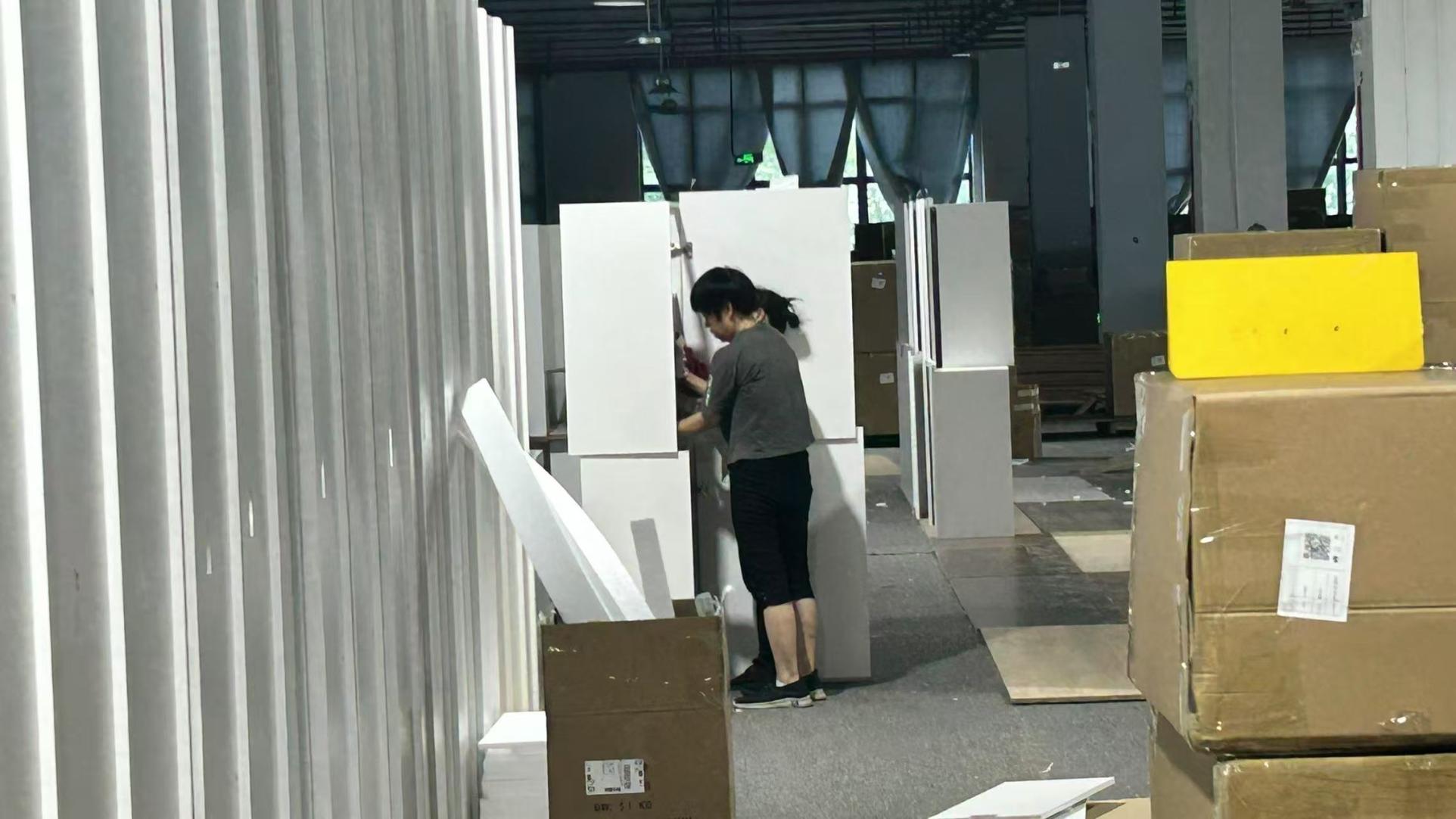
- Modular Pre-Fitted Flat-Pack & RTA Packaging: To optimize international container freight costs, importers are demanding custom slab door cabinet kits pre-drilled for European 32mm system hardware, packaged in high-density corrugated flat packs with corner edge guards.